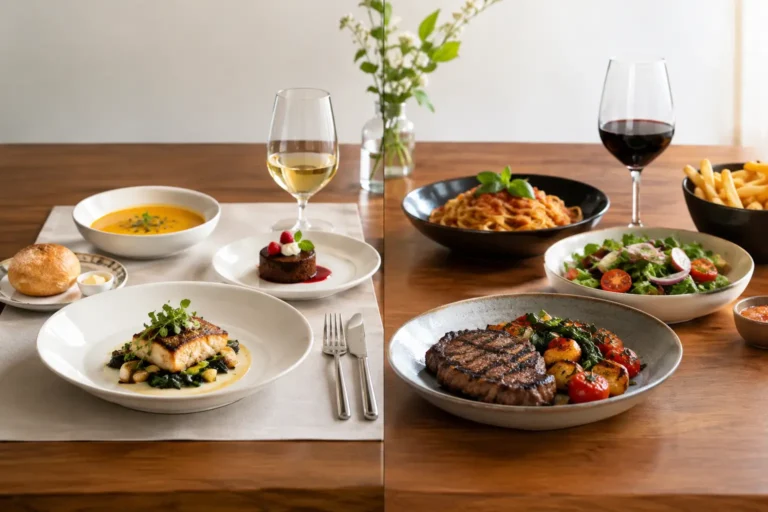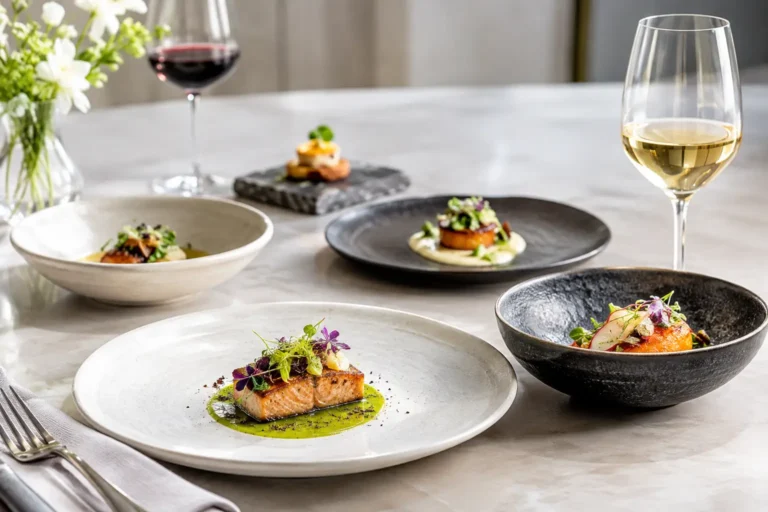
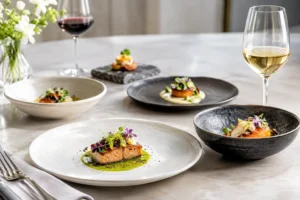


The best restaurants for anniversary dinner do more than serve an impressive entrée. They give the evening a shape: the first glass arrives at the right temperature, the room softens conversation rather than swallowing it, and the final bite feels like a small, satisfying curtain call. That can happen in a white-tablecloth dining room, at a candlelit neighborhood bistro, or over a chef’s counter tasting menu. The right choice depends less on a restaurant’s reputation than on what you want the night to say.
An anniversary reservation is not the time to book on autopilot. A restaurant may have a glittering review history and a difficult table to secure, yet still be wrong for a couple who wants to linger over Burgundy and order freely. Another may be more modest, but offer warm service, a favorite dish, and the kind of room where two people can actually hear each other. The useful question is not, “What is the fanciest restaurant?” It is, “What experience will feel most like us?”
What the Best Restaurants for Anniversary Dinner Get Right
A memorable anniversary meal usually rests on four things: food you are genuinely excited to eat, an atmosphere that supports the mood, service calibrated to the occasion, and a reservation time that lets the evening breathe. None is optional, though their relative importance changes from couple to couple.
Start with the food. If one of you has been talking about wood-fired seafood, handmade pasta, Korean barbecue, or a particular chef’s tasting menu for months, that is meaningful data. An anniversary is a poor occasion to choose a restaurant solely because it photographs well. The meal should offer pleasure before it offers proof that you chose somewhere fashionable.
Then consider the room. Some celebrations call for velvet banquettes, low light, and a sommelier who can guide a bottle without turning it into a lecture. Others are better in a lively dining room with a soundtrack, a bar worth arriving early for, and enough energy to make a Tuesday feel like an event. A hushed temple of gastronomy can be thrilling, but it can also feel overly formal if what you really want is a second round of martinis and a shared plate of fries.
Service is the element diners often notice only when it is missing. For an anniversary, look for a restaurant known for hospitality rather than choreography alone. The ideal team recognizes the occasion discreetly, paces the meal without rushing or disappearing, and understands that a celebratory table may want guidance but not interruption. A complimentary dessert is pleasant. Feeling looked after is better.
Choose the Format Before You Choose the Restaurant
The restaurant format determines the rhythm of the night. Decide what kind of rhythm you want, then narrow your search.
The tasting menu for a true occasion
A tasting menu is the strongest choice when the meal itself is the evening’s main event. It gives the kitchen control over pacing and progression, moving from a bright, precise opening course to richer flavors, then toward dessert. For diners who enjoy being surprised, it can be an unusually intimate form of theater: a warm gougère, a spoonful of caviar, a sauce poured tableside, a final confection delivered just when you thought you were full.
There are trade-offs. Tasting menus often require two and a half to three hours, can be expensive once beverage pairings and supplements enter the picture, and leave limited room for personal whim. They work best when both diners are curious, unhurried, and comfortable with the restaurant steering the evening. Review dietary accommodations before booking, especially if an allergy or strong aversion could turn several courses into a negotiation.
The polished à la carte restaurant for freedom
For many couples, the ideal anniversary dinner is a great à la carte meal. You can split oysters, choose a starter each, debate between the duck and the ribeye, and order another bottle if the conversation is still moving. This format offers more flexibility around appetite, budget, and mood.
Look for a menu with enough range to feel festive without becoming a novel. A short list of excellent pastas, roasts, steaks, seafood, and composed vegetable dishes is often a better signal than a menu trying to cover every cuisine. The anniversary advantage is choice: you can build a meal around familiar pleasures and one or two indulgences.
The restaurant with a personal connection
Returning to the place where you had a first date, celebrated an engagement, or discovered a shared favorite wine can carry more weight than booking the city’s newest reservation. Nostalgia is not a lesser form of dining. It is its own ingredient.
The key is to distinguish sentiment from inertia. If the old favorite now feels tired, honor the memory with a drink at the bar and have dinner somewhere new. You can preserve the ritual without forcing the entire night to repeat itself.
Read the Menu Like a Reservation Editor
A menu tells you more than a restaurant’s cuisine. It reveals how the kitchen thinks, how much the meal may cost, and whether the dining room is designed for the kind of evening you want.
Look for specificity. “Dry-aged duck with quince and chicories” suggests a kitchen with a point of view. “Market fish” is not inherently a red flag, but it is worth seeing whether the rest of the menu offers seasonality and detail rather than vague luxury language. Consider the number of shareable items, too. Raw bar selections, crudo, breads, small plates, and larger roasts can make an anniversary meal feel naturally communal.
Wine lists deserve an equally close read. You do not need a cellar packed with trophy bottles, but a thoughtful list has options at several price points, useful by-the-glass choices, and a clear perspective. A seafood-focused restaurant should have lively whites beyond generic Pinot Grigio. A steakhouse should offer reds with structure as well as freshness. If the list is compelling but unfamiliar, that is a reason to ask for the sommelier, not a reason to retreat to the safest label.
For a meal that may include rich dishes, start with sparkling wine, Champagne, or a crisp white with enough acidity to wake up the palate. If you move to steak, lamb, or mushrooms, a medium-bodied red such as Pinot Noir, Cabernet Franc, or Nebbiolo can bridge intensity without exhausting the meal. The best pairing is not always the grandest bottle. It is the one that suits the food and leaves room for a final glass.
Book for the Night You Want, Not the Table You Can Get
The 8 p.m. slot is not automatically superior. An early reservation can feel luxurious if it gives you time for a drink before dinner and a walk afterward. A later booking makes sense when the room becomes more animated after dark or when you want the meal to stretch into the night. Consider the full itinerary, not just the reservation confirmation.
When booking, note the anniversary briefly and without demands. A simple line such as “We’re celebrating our anniversary and are looking forward to dining with you” gives the team context. Avoid requesting a “best table” unless there is a specific need, such as a quiet corner or accessible seating. Restaurants manage a complex floor plan, and gracious clarity travels better than a long list of instructions.
If privacy matters, study the dining room’s character before committing. Chef’s counters, communal tables, and high-energy open kitchens can be exhilarating, but they are not built for confidential conversation. Conversely, a formal dining room may offer space and quiet while feeling less spontaneous. This is one reason an excellent neighborhood restaurant can outperform a destination room for an anniversary: it understands the pleasure of staying for dessert.
Spend Where It Changes the Experience
A milestone dinner does not require indiscriminate spending. Put your budget toward the elements you will remember. That might mean a more ambitious main course and one great bottle, rather than every supplement on the menu. Or it may mean a tasting menu at lunch, when pricing is often gentler, followed by cocktails somewhere with a view.
Be realistic about the final bill. Taxes, gratuity, cocktails, bottled water, wine, supplements, and valet can materially change the number. Knowing your comfort range in advance makes it easier to order with confidence instead of doing mental arithmetic through dessert.
The most successful anniversary dinner is rarely the one with the longest receipt or the hardest reservation. It is the one that leaves both of you still talking when you step back onto the sidewalk – about the scallops, the bottle, the service, and perhaps the next year you will have an excuse to do it again.