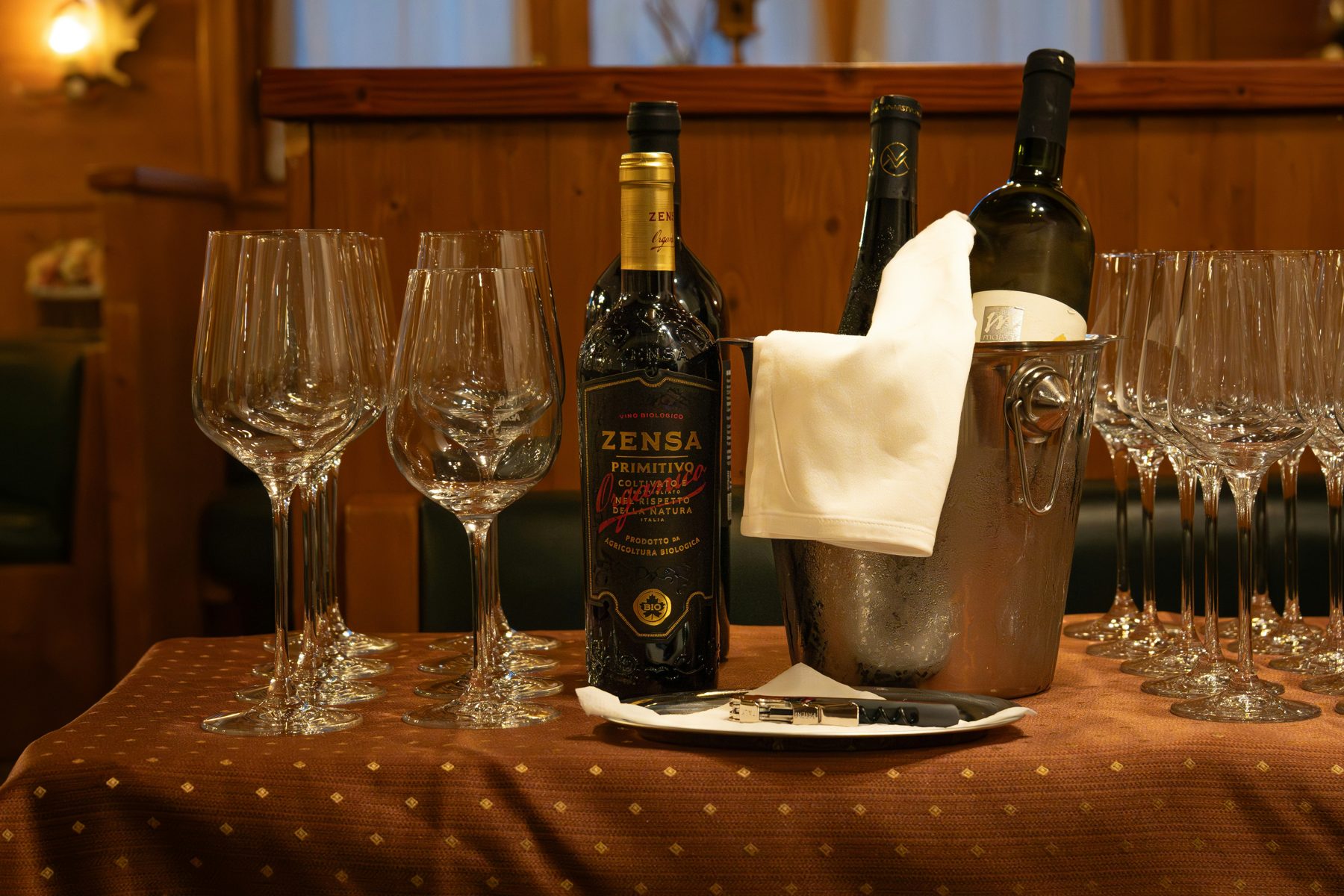
The wine list lands on the table just after everyone has agreed to share the oysters, the roast chicken, and perhaps the steak frites. It is thick, leather-bound, and full of regions that seem to demand a working knowledge of European geography. Knowing how to order wine confidently is not about pretending you can recite every village in Burgundy. It is about reading the moment, setting a clear budget, and giving the person serving you enough useful information to make a good recommendation.
A restaurant wine program is not a test. At its best, it is one of the room’s most generous forms of hospitality. The goal is a bottle that makes dinner taste more vivid, works for the people at the table, and feels worth what you paid.
Start With the Table, Not the Wine List
Before opening the list, take stock of the meal. Is this a quick pre-theater dinner where one crisp glass is all anyone wants? A business meal where the wine should be polished but not distracting? An anniversary dinner with a tasting menu, where a pairing may offer more range than a single bottle can?
Food is the first practical clue. Acidic, citrus-driven whites make raw seafood, fried starters, and salads feel cleaner. A medium-bodied red with bright acidity is often more useful across a table than a dense, high-alcohol Cabernet, especially if one guest is ordering fish and another is having duck. With rich cuts like ribeye or lamb, structure matters: tannin gives the wine enough grip to stand beside fat and char.
But food pairing is guidance, not law. A guest who dislikes oaky Chardonnay will not be converted by the fact that it is technically excellent with lobster. Start with what people genuinely enjoy, then make the pairing more precise from there.
How to Order Wine Confidently Before You Speak
The most effective wine order usually begins with three decisions: how much you want to spend, whether the table needs one bottle or several, and what style you want to drink. You do not need a producer name to answer any of them.
Set your budget privately before the server arrives. A useful restaurant range might be $60 to $90 for a casual dinner, $100 to $150 for a special occasion, or higher at a destination restaurant where the list is a major part of the experience. These are not rules, only reference points. Wine-list pricing varies dramatically, and a $75 bottle at one restaurant can be a value while the same price elsewhere may be the entry point.
If you are hosting, state the range plainly and without apology. You can say, “We’d like a bottle around $100, maybe a little more for something especially good with the lamb.” This is more helpful than asking for “a nice red,” which leaves the staff to guess whether you mean $55 or $250.
When you want discretion, point to a bottle in your preferred price range and say, “Something in this neighborhood, but I’m open to your recommendation.” Most experienced sommeliers understand the gesture immediately. It is not rude. It is efficient.
Learn the Few Descriptors That Actually Help
You do not need to learn tasting-note vocabulary. Still, a few preferences give a sommelier a much sharper starting point than simply naming red or white.
Tell them whether you like wines that are light and fresh, round and plush, savory and earthy, or full-bodied and structured. Mention specific wines you have enjoyed if that feels easier: a dry Riesling, Oregon Pinot Noir, Napa Cabernet, Rioja, or Provençal rosé. Then add one preference or boundary: “Nothing too sweet,” “I’d rather avoid heavy oak,” or “We like reds with freshness, not a lot of jammy fruit.”
That is enough information for a real conversation. It also signals that you want guidance, not a performance.
Use the Sommelier Like a Trusted Editor
At a serious restaurant, the sommelier’s job is not to sell the most expensive bottle. It is to connect the kitchen’s food, the list’s inventory, and your tastes. Give them the context they cannot see from across the room.
A strong request sounds like this: “We’re starting with crudo, then two of us are having the pork and one is having the halibut. We enjoy mineral whites and lighter reds. Could you suggest something versatile around $120?” There is no jargon in that sentence, but it gives the wine professional everything needed to make an intelligent call.
If the recommendation is unfamiliar, ask one clean follow-up question: “Will it be more crisp or more textured?” or “What makes this your pick with the pork?” The answer should be clear, specific, and connected to your meal. If it is not, ask for another option. A good dining room does not treat that as a challenge.
There are moments when a bottle is not the best choice. For a multi-course tasting menu, a thoughtful wine pairing can illuminate the chef’s progression from delicate opening bites to deeper, sauce-driven courses. For a group with mixed tastes, ordering a white for the first courses and a red later is often smarter than trying to force one bottle across the whole dinner.
Read the List for Value, Not Status
The most recognizable labels on a wine list are not always the most exciting or fairly priced. Restaurant lists often have their best relative values in regions guests overlook: Loire Valley Cabernet Franc, Etna Rosso from Sicily, Austrian Grüner Veltliner, Beaujolais, or Spanish Godello. These wines can bring freshness, complexity, and food-friendliness without carrying the price pressure of a famous Napa, Bordeaux, or Burgundy name.
That does not mean you should order obscure bottles for the sake of appearing adventurous. If a classic Champagne or Sonoma Chardonnay is exactly what the evening calls for, order it. Confidence means choosing with purpose, not chasing novelty.
Vintage can matter, particularly for age-worthy reds and fine white Burgundy, but it rarely needs to derail an ordinary restaurant order. If the list shows a different vintage than you expected, ask whether it drinks similarly or is ready now. For most wines, the producer and style matter more than memorizing a single year.
Also look at format. A half bottle can be ideal for two people who each want a glass with a starter, while a magnum brings real generosity to a celebration of six or more. By-the-glass selections are sensible when preferences diverge, though bottle pricing usually offers better value if two or three guests want the same wine.
Handle the Ritual Without Overthinking It
Once the bottle arrives, the server will present it before opening. Check the producer, wine, and vintage against what you ordered. This is not an invitation to inspect the bottle like an auction lot. It is simply your chance to catch an error before the cork is pulled.
When you are poured a small taste, you are checking condition, not deciding whether the wine is your lifelong favorite. Swirl, smell, and taste. If it smells like wet cardboard, moldy basement, or muted fruit and seems flat or unpleasant, it may be corked. Say, “I think this may be off. Could you please take a look?” Calmly asking is entirely appropriate.
Do not send back a sound bottle because it is less fruity than you imagined, especially after accepting a recommendation. Instead, let the staff know what missed the mark. They may have another option, and the conversation will be more constructive than treating a stylistic preference as a flaw.
Temperature is another quiet factor. A white that arrives too cold may seem blank; let it sit for a few minutes. A warm red can taste alcoholic and soft, so ask for a brief chill. These small adjustments are common in good restaurants and can change the bottle more than an elaborate decanting ritual.
Order for Pleasure, Not Approval
The most confident wine drinker in the room is rarely the one talking loudest about classified growths or orange wine. It is the person who understands what the table needs, states a budget clearly, and remains curious when someone knowledgeable offers a new direction.
Next time the list arrives, choose one detail to share: the dishes, the budget, or the styles you enjoy. That small act turns an intimidating object into the beginning of a better dinner.

One thought on “How to Order Wine Confidently at a Restaurant”