

The room matters before the first bottle is opened. A business dinner can begin with a firm handshake at the host stand and unravel 20 minutes later when the table sits beneath a speaker, the steaks arrive cold, or a server asks for decisions just as the conversation turns sensitive. The best restaurants for business dinners understand that hospitality is not decorative. It is operational: the pace, the sound level, the chair you sit in, and the confidence of the person guiding the table all affect what gets accomplished.
A great meal is still a great asset. It gives people something pleasurable to share, creates a natural rhythm between subjects, and says you value their time. But the restaurant should support the meeting rather than compete with it. That calls for a different lens than choosing a buzzy date-night reservation or a once-a-year tasting menu.
What makes a restaurant work for business
The ideal business-dinner restaurant has a particular kind of polish. It feels considered without becoming theatrical, and it is busy enough to signal relevance without being so crowded that every sentence has to be repeated. The goal is ease: guests should feel looked after, not managed.
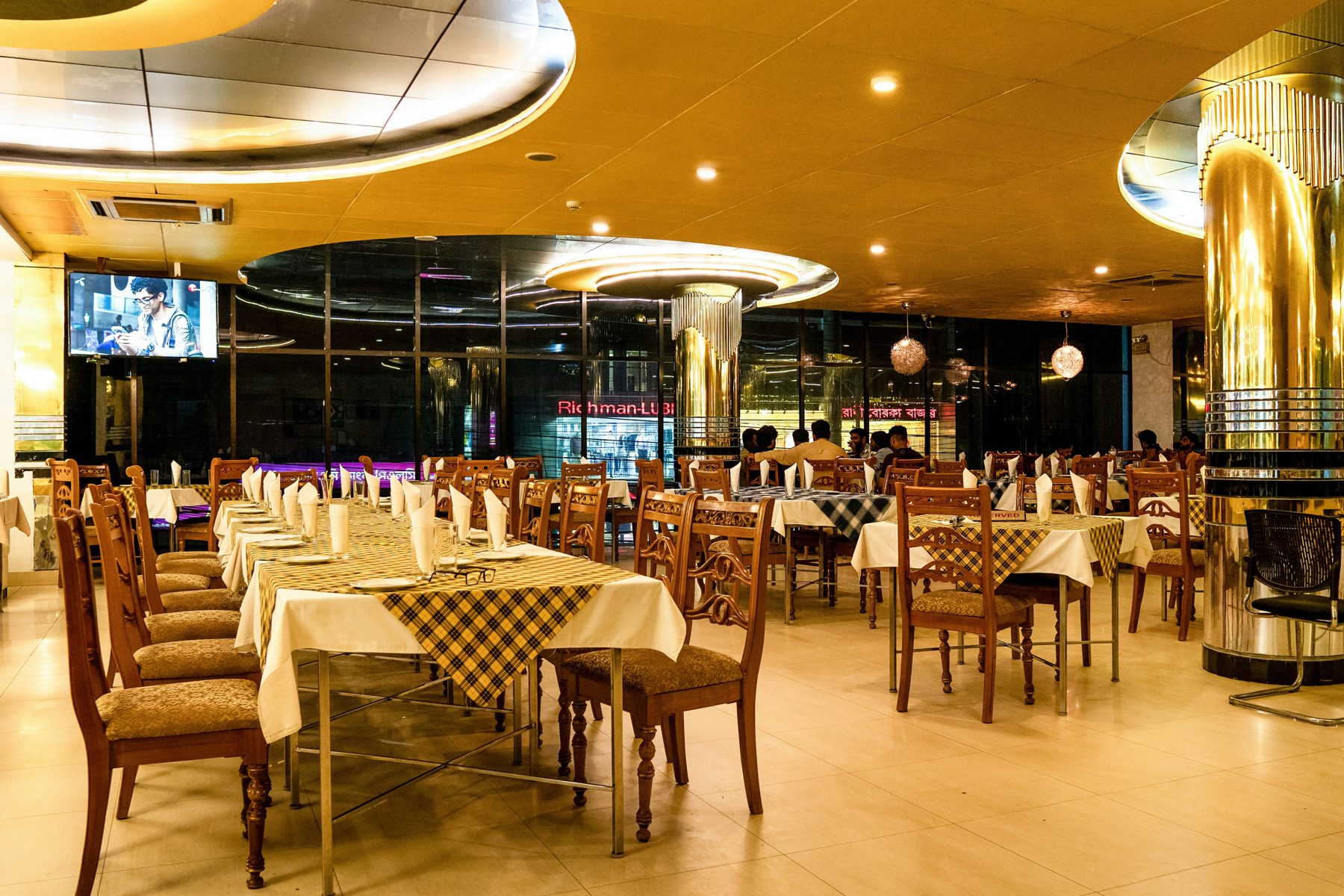
Start with acoustics. Hard stone, glass, open kitchens, and tightly packed tables can make a handsome dining room punishing at 7:30 p.m. If the dinner involves negotiation, a first meeting, or more than four people, favor restaurants known for upholstered seating, separated tables, private alcoves, or a genuinely useful private dining room. A low-lit room can be flattering; a room so dark that guests need a phone flashlight to read the menu is simply impractical.
Service is the second test. Look for a restaurant that can read a table. The strongest teams give guests a moment to settle, explain the menu concisely, and keep water and wine attended to without interrupting every thread of conversation. They know when to clear, when to pause, and when a table may need ten extra minutes before dessert.
Then consider menu architecture. A business dinner needs enough range to accommodate vegetarian, gluten-free, lighter-eating, and steak-and-martini preferences without turning ordering into a committee meeting. This is where a polished contemporary American restaurant, classic steakhouse, excellent Italian dining room, or seafood-focused restaurant often performs better than a highly conceptual menu. Novelty has its place, but familiarity lowers friction.
Match the format to the purpose of the dinner
Not every important dinner needs white tablecloths, and not every client should be taken to the most expensive room in town. The right choice depends on the relationship, the stakes, and the amount of conversation required.
For a first meeting, choose calm competence
A first dinner with a prospective client, senior hire, or potential partner is not the moment to gamble on a difficult reservation or a chef’s counter where everyone faces the pass. Choose an established restaurant with a clear point of view and a menu guests can navigate quickly. A restaurant with an experienced sommelier and a concise wine list is often more useful than one with 40 pages of bottles and no guidance.
A lunch or early dinner can be especially effective when the relationship is still formal. The bill is lower, the pace is easier to control, and the evening does not ask too much of anyone’s calendar. Reserve dinner for when the relationship warrants a little more time and generosity.
For relationship-building, let food do some of the work
Once the business has moved beyond introductions, a chef-driven restaurant can be a smart choice. Sharing a whole fish, handmade pastas, or a composed seafood tower provides natural talking points without requiring anyone to perform culinary expertise. The best meals invite curiosity: What is that bright, saline note in the crudo? Why does that red have enough freshness for a fatty ribeye?
In Miami, this may mean a polished coastal dining room where pristine seafood and crisp white wine make the table feel celebratory without becoming overly formal. It could also mean a steakhouse with quiet corners and a serious cellar. The cuisine matters less than the room’s ability to hold a conversation gracefully.
For closing or celebrating, prioritize privacy and generosity
A signed deal, a major referral, or an annual team celebration deserves more ceremony. This is where a private room, a tasting menu, or a landmark restaurant can make sense. Ask whether the restaurant can offer a shortened tasting menu, preselected wines, or family-style courses. Those decisions remove the stops and starts of ordering while preserving a sense of occasion.
There is a trade-off. Tasting menus ask for time and attention. They work beautifully for a small group of enthusiastic diners, but they are a poor fit for guests with tight schedules, unfamiliar dietary needs, or a meeting agenda that requires discretion. Luxury is not just expense. It is making the evening feel easy for the people at your table.
Read the signals before you reserve
A restaurant’s reservation page rarely tells the full story. Look beyond star ratings and glossy dining-room photographs. Recent reviews can reveal whether service has become rushed, whether noise is a recurring complaint, and whether the kitchen handles large parties with care. A few thoughtful calls to the reservation team are often more revealing than an hour of scrolling.
Be specific when you book. Say that it is a business dinner, give the exact party size, flag any dietary restrictions, and request a quieter table away from the bar, service station, and speaker. If privacy matters, ask directly whether conversations at adjacent tables can be overheard. A restaurant that answers plainly is usually a restaurant that understands the assignment.
Timing deserves equal attention. The 6:00 p.m. seating offers a calmer room and less pressure at the end of the night. At 8:30 p.m., even excellent restaurants may need the table back for a second turn. If the conversation is the point, build in time rather than trying to force a three-course dinner into 75 minutes.
Order with the table, not for the table
The host should guide the meal without turning it into a demonstration of control. Offer a few broad suggestions, especially if the menu is long, but let guests choose what they want. Shared starters are useful because they create abundance and buy a little conversational time. They should not become a test of whether everyone is willing to eat raw shellfish or spicy noodles.
Wine is similar. A well-chosen bottle can make the dinner feel generous, but it should never dominate the occasion. For a mixed table, start with sparkling wine or a crisp, mineral white, then move to a versatile red with acidity rather than sheer weight. A sommelier can help, but give them a useful brief: the number of guests, the food likely to be ordered, and a comfortable price range.
Avoid making the bill a scene. Arrange for a card in advance when possible, or step away quietly toward the end of the meal. The final impression should be the conversation, not the folder on the table.
The details guests remember
People rarely remember every course, but they remember how a dinner made them feel. They remember whether they could hear themselves think, whether the host seemed relaxed, and whether the restaurant made a complicated evening feel effortless. They may remember the char on a perfectly cooked branzino or the first cold sip of Champagne, too.
That is the standard worth booking for: a room with enough character to feel memorable, enough restraint to keep the focus on your guests, and a team capable of making good judgment look natural.