
A sommelier sets down two bottles of Cabernet Sauvignon, one from Bordeaux and one from Napa Valley, and the labels seem to promise a simple contest: restraint versus ripeness, earth versus fruit, tradition versus ambition. The old world vs new world distinction can be useful, but only if you treat it as a first clue rather than a verdict. It is a way to anticipate the shape of a wine before the cork is pulled – and, more importantly, to order a bottle that suits the food and the moment.
For diners, the real question is not which camp is superior. It is whether you want a wine that whispers through a meal or one that arrives with the same presence as a perfectly charred ribeye.
What Old World and New World Actually Mean
In wine shorthand, Old World refers broadly to the historic wine regions of Europe and the Mediterranean, including France, Italy, Spain, Germany, Austria, Portugal, Greece, and often Georgia. New World generally describes regions shaped by later European settlement and modern commercial wine development: the United States, Argentina, Chile, South Africa, Australia, and New Zealand, among others.
The language is imperfect. Georgia has been making wine for millennia, South Africa’s wine history reaches back centuries, and California now has its own deep traditions. Neither term measures quality, prestige, or price. They describe a set of cultural and stylistic expectations that grew from different histories.
Old World regions tend to organize wine around place. A Burgundy label may foreground Gevrey-Chambertin or a specific vineyard rather than the words Pinot Noir. The implication is that the location – its soil, exposure, climate, and local practice – is the point. New World labels more often lead with grape variety, making the bottle easier to decode: Sonoma Coast Chardonnay, Willamette Valley Pinot Noir, or Mendoza Malbec.
That difference matters at the table. One system asks you to recognize a place; the other often begins by telling you the grape. Neither is inherently more approachable once you know what to look for.
Old World vs New World: The Taste Clues
A useful rule of thumb is that Old World wines often emphasize acidity, savory detail, and a sense of restraint, while New World wines often show riper fruit, broader texture, and more visible winemaking. But wine refuses to behave like a rulebook.
Cool-climate Napa Cabernet can be taut and herbal. Warm-vintage Bordeaux can be plush, dark, and generous. A traditional producer in Rioja may age Tempranillo for years in American oak, giving it sweet spice and coconut notes that feel anything but austere. Meanwhile, a low-intervention Australian Shiraz may be peppery, bright, and lean.
Still, the broad comparison gives a diner a helpful vocabulary. In an Old World red, you may find sour cherry, currant, dried rose, cedar, graphite, leather, dried herbs, or damp earth. The fruit is present, but it shares the stage with nonfruit flavors. In a New World red, expect blackberry, blueberry, plum, black cherry, cocoa, baking spice, and a softer sense of sweetness created by ripe fruit and higher alcohol, even when the wine is technically dry.
For whites, the contrast can be just as clear. A Chablis from Burgundy is typically driven by lemon, green apple, chalky minerality, and firm acidity. A California Chardonnay may offer ripe pear, peach, citrus curd, vanilla, toast, and a creamy palate from oak and malolactic fermentation. One refreshes after a bite of butter-poached lobster; the other can feel like part of the richness of the dish itself.
The key word is tendency. Climate has more influence on ripeness than the old versus new label alone. So do vineyard elevation, harvest decisions, oak regimen, and the producer’s house style.
Why Style Changes From Region to Region
Weather is the most immediate factor. Cooler growing areas preserve acidity and extend ripening, which can produce lower-alcohol wines with tart fruit and savory complexity. Warmer areas make it easier for grapes to reach fuller ripeness, often yielding richer fruit, softer acidity, and more body.
But culture directs those raw materials. European appellation rules can regulate permitted grapes, yields, vineyard boundaries, and maturation practices. Those constraints preserve regional identity, though they can also limit experimentation. Many New World regions historically gave producers more freedom to choose varieties, blend across broader areas, and use new techniques. That freedom encouraged bold, fruit-forward styles, but it also helped produce some of the most precise site-driven wines being made now.
Oak is another familiar dividing line, though it is hardly exclusive to either side. New French oak can add vanilla, toast, clove, smoke, and a polished tannic frame. Older barrels contribute texture without loudly flavoring the wine. A wine that tastes like espresso and toasted marshmallow may have seen generous new oak; a wine that feels quietly structured may owe its character more to fruit, acidity, and tannin.
This is why a restaurant list rewards a little curiosity. Ask whether a wine is made in a fresher, traditional style or a riper, more modern one. That single question is more revealing than asking whether it is Old World or New World.
Pairing the Two Styles With Dinner
Think of Old World wines as especially adept at working with the plate rather than competing for attention. Their acidity cuts richness, their herbal notes echo seasoning, and their lower alcohol usually makes another sip welcome.
A classic Bordeaux blend with cedar, cassis, and firm tannin can be excellent with lamb chops, roast duck, or a mushroom-centered dish. Barolo, with its high acidity and rose-and-tar perfume, comes alive beside braised beef, truffles, or aged Parmigiano-Reggiano. Rioja Reserva brings enough red fruit and spice for pork, charcuterie, and grilled chicken with smoked paprika.
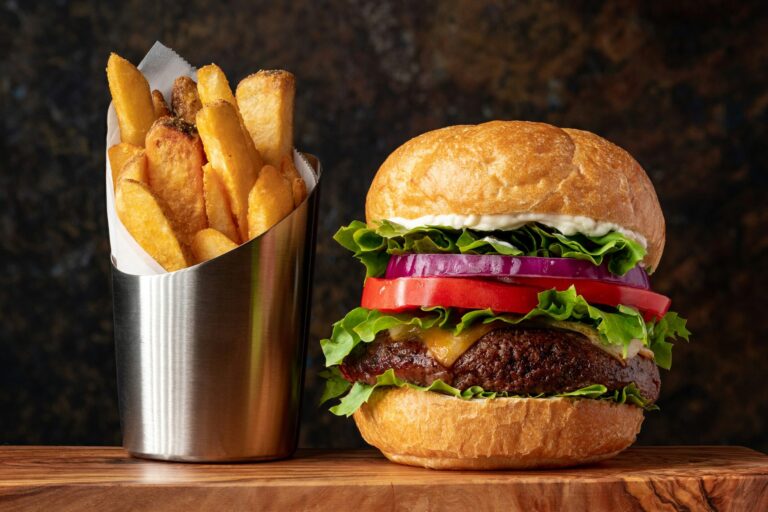
New World wines can be thrilling when the dish has equal confidence. Napa Cabernet belongs beside a deeply seared steak, especially one finished with a peppercorn or red-wine sauce. Argentine Malbec meets skirt steak on its own smoky terms. A generous Sonoma Chardonnay can handle roast chicken, lobster mac and cheese, or corn-rich dishes that might flatten a sharper white.
There is no penalty for crossing these lines. A bright Oregon Pinot Noir can be ideal with salmon, while a savory, cool-climate Syrah from northern California may make more sense with duck than a powerful Rhône bottling. Match weight with weight, then look for either contrast or echo: acidity against fat, sweetness against heat, herbs against herbs, smoke against smoke.
How to Order With More Confidence
When the wine list is long, start with the food, not the bottle. If the table is moving from crudo to roasted fish, a high-acid Old World white such as Muscadet, Sancerre, or dry Riesling is often a safer through-line than an oaky Chardonnay. If the meal is built around dry-aged beef, short ribs, or a pepper-crusted strip steak, ask for a structured Cabernet, Syrah, or red blend and decide whether you prefer savory restraint or ripe power.
A concise way to speak to the sommelier is: “We like reds with freshness and savory notes, not too much oak,” or “We want something plush and full-bodied for the steak.” That is useful information, not amateur shorthand. It tells the dining room what texture and flavor profile you want without pretending to know every region on the page.
Price does not reliably settle the Old World versus New World question. A modest Beaujolais can be more compelling with roast chicken than a far more expensive cult Cabernet. For a business dinner, the polished familiarity of a California Cabernet may make the table feel immediately at ease. For an anniversary meal centered on a chef’s tasting menu, a nuanced Burgundy or German Riesling may offer more turns and more conversation across the courses.
The Modern Wine List Blurs the Border
The most exciting bottles increasingly complicate the old categories. American producers are planting cool sites and picking earlier for tension. European winemakers are using cleaner cellars, better vineyard data, and more exacting selections. Natural wine, regenerative farming, amphora aging, and a renewed interest in indigenous varieties have made labels less predictable in the best possible way.
That is not a reason to abandon the old world vs new world framework. It is a reason to use it lightly. Let it give you a direction, then read the producer, the vintage, and the food in front of you.
The next time a bottle list feels like a test, choose the experience you want: bright and savory, or ripe and expansive; a wine that sharpens the meal, or one that luxuriates beside it. A good bottle does not need to prove a worldview. It only needs to make the next bite more memorable.