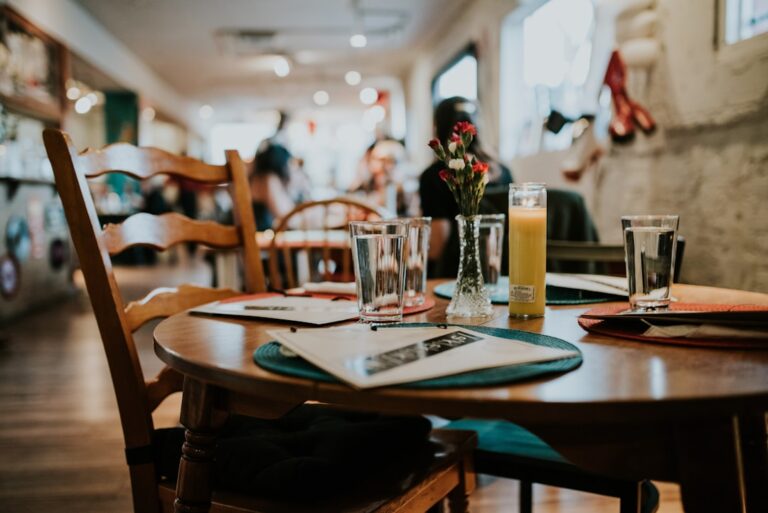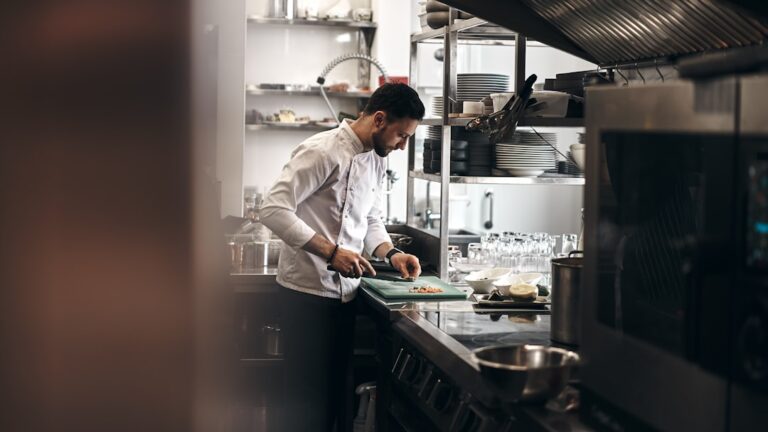

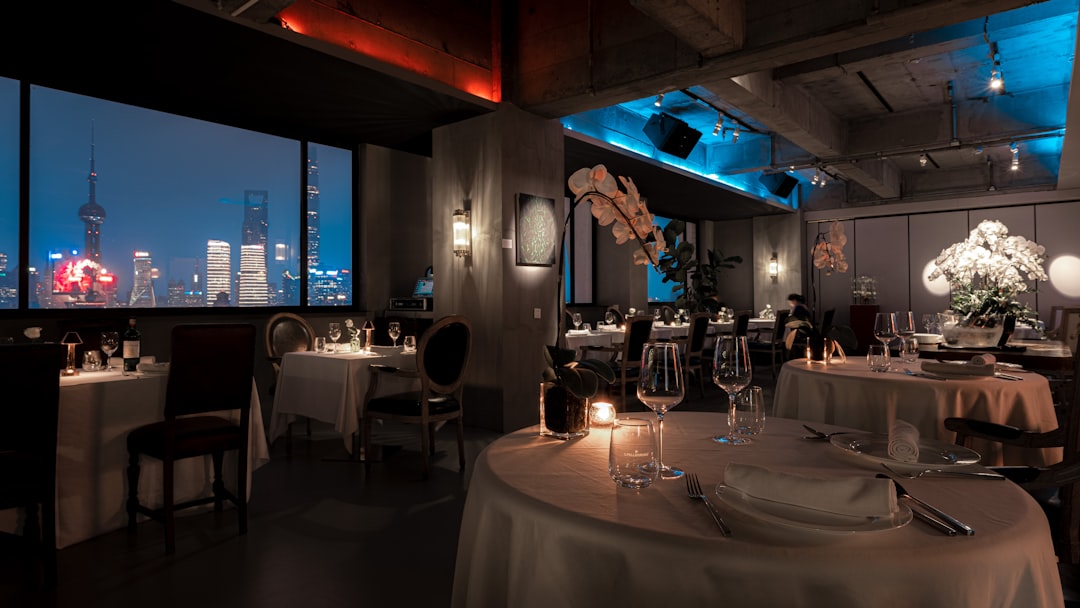
Restaurants reveal themselves in layers: the crackle from an open kitchen, the quiet choreography of service, the way a single dish can explain a chef’s point of view faster than a full biography. That is the space The Dining Post aims to cover, with reporting that takes dining seriously without draining it of pleasure.
This publication is built for readers who want more than a recommendation list. We are interested in the people behind restaurant openings, the techniques shaping memorable plates, the business decisions changing hospitality, and the cultural histories that make a meal matter beyond the table.
What You Need to Know
The Dining Post covers restaurants, chefs, food culture, hospitality, and dining trends with an editorial approach that values specificity over hype. Expect restaurant profiles, chef stories, dining guides, industry reporting, and food journalism designed to be useful both to curious diners and to professionals who work in restaurants every day.
Coverage is guided by a simple standard: if a detail cannot be verified, it does not belong in the story as fact. That means no invented awards, no manufactured quotes, and no filler dressed up as authority. The goal is to make each article readable, trustworthy, and worth returning to.
Main Story
Food media often drifts toward two extremes. One turns restaurants into pure lifestyle fantasy, all polished surfaces and no substance. The other flattens dining into utility alone, reducing a place to a map pin and a reservation link. The stronger story usually sits between those poles, where craft, context, and appetite meet.
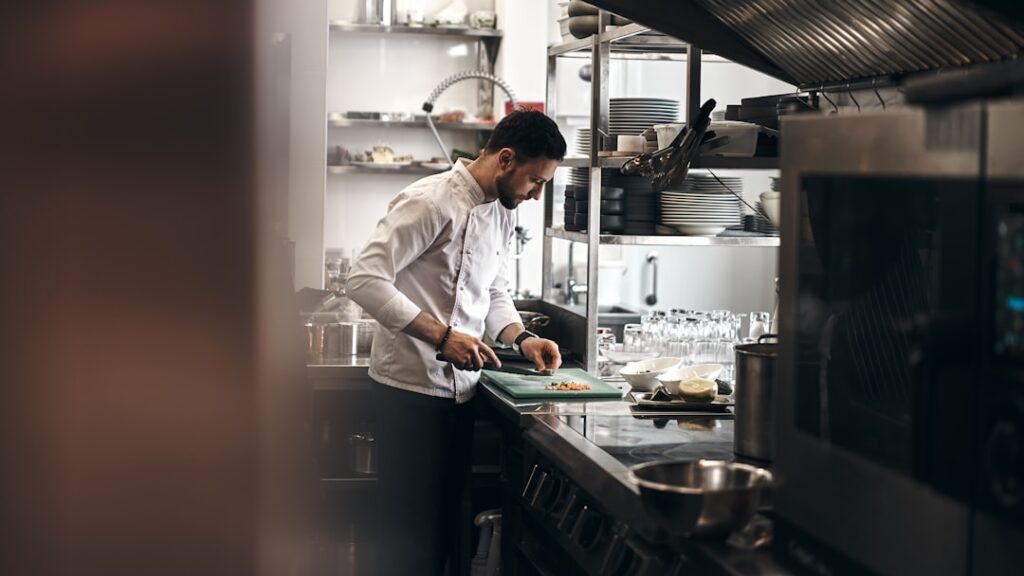
That is where The Dining Post positions its coverage. A restaurant profile should help readers understand the room, the cooking, and the philosophy behind the menu. A chef feature should explore training, influences, and ambition without slipping into mythmaking. A dining guide should narrow choices with clarity, not inflate every entry into a grand statement.
The same standard applies to hospitality reporting. Technology matters when it changes the guest experience or the economics of service. A trend matters when it appears in real kitchens, on real menus, and in ways diners can taste or operators can measure. Regional food matters because place still shapes how people cook, gather, and define quality.
If you’re experiencing these symptoms, our team at The Dining Post can help. We look for the details that make a story feel grounded: the dish that anchors a menu, the technique that distinguishes a kitchen, the service model that changes the pace of a meal, or the local context that explains why a restaurant belongs exactly where it is.
Why It Matters
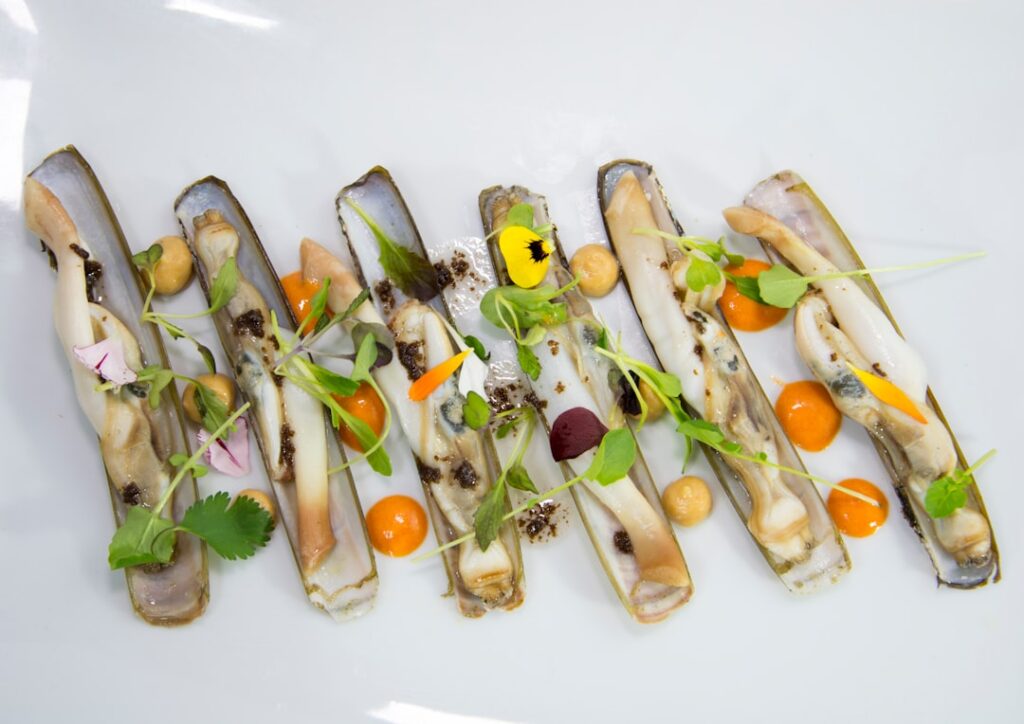
Good restaurant journalism does more than celebrate where to eat. It documents how a dining scene changes, which chefs are influencing local taste, how hospitality businesses adapt under pressure, and why certain rooms become reference points for a city. For diners, that creates better choices. For operators, it creates sharper conversation about what actually stands out.
There is also a cultural stake. Menus carry migration, memory, economics, and identity. A neighborhood bistro, a tasting-counter experiment, and a long-running family restaurant each tell different stories about labor, ambition, and community. Treating those stories with care is part of respecting the food itself.
What Diners Should Know
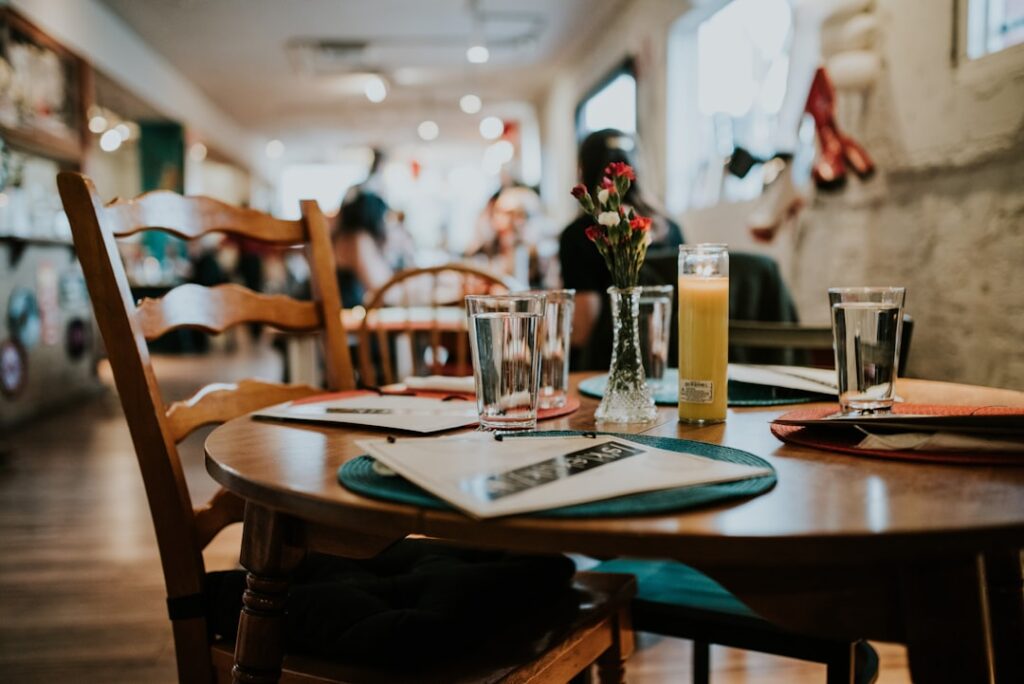
Readers can expect articles that answer practical questions quickly before moving into deeper context. Is a restaurant worth knowing for a date night, a business dinner, or a solo bar seat? What dish best represents the kitchen? What kind of cooking is actually on the plate? Those are the questions that make service journalism useful.
Just as important, not every story needs a dramatic verdict. Sometimes the best use of restaurant writing is interpretation: explaining a cuisine with precision, tracing a chef’s evolution, or showing how a new opening fits into a larger shift in dining culture. When we offer perspective, we will label it clearly and keep reporting separate from opinion.
The Dining Post Take
The most valuable food publication today is neither a hype machine nor a detached trade bulletin. It is a place where diners can learn, restaurant professionals can feel accurately seen, and the language around food gets more precise. That means paying attention to ingredients, technique, service, design, and business realities with the same seriousness.
It also means resisting lazy superlatives. Not every opening is a game changer. Not every chef is visionary. Not every plate needs to be framed as a revelation. Precision is more persuasive than overstatement, and readers can tell the difference immediately.
Frequently Asked Questions
What does The Dining Post cover?
The Dining Post covers restaurants, chefs, dining guides, food culture, hospitality, restaurant business, and selected trends shaping how people eat and how restaurants operate.
Who is The Dining Post for?
The audience includes diners looking for credible guidance, home cooks interested in technique and ingredients, travelers planning where to eat, and hospitality professionals who want reporting with real context.
How does The Dining Post handle facts?
We prioritize verified information and avoid presenting unconfirmed details as fact. If a claim cannot be supported, it should be omitted, qualified carefully, or reported as an open question rather than a certainty.
Will The Dining Post only cover fine dining?
No. Fine dining matters, but so do neighborhood spots, casual concepts, regional specialties, hidden gems, and the everyday places that shape how a city actually eats.
What makes a restaurant story worth reading?
The strongest stories combine useful reporting with texture: a clear sense of the food, the people, the room, and the larger reason the restaurant matters right now.
Conclusion
The best dining coverage leaves readers both informed and hungry. That is the standard we are chasing with every feature, guide, profile, and reported story. Contact The Dining Post today to schedule a consultation.
Frequently Asked Questions
What does The Dining Post cover?
The Dining Post covers restaurants, chefs, dining guides, food culture, hospitality, restaurant business, and selected trends shaping how people eat and how restaurants operate.
Who is The Dining Post for?
The audience includes diners looking for credible guidance, home cooks interested in technique and ingredients, travelers planning where to eat, and hospitality professionals who want reporting with real context.
How does The Dining Post handle facts?
We prioritize verified information and avoid presenting unconfirmed details as fact. If a claim cannot be supported, it should be omitted, qualified carefully, or reported as an open question rather than a certainty.
Will The Dining Post only cover fine dining?
No. Fine dining matters, but so do neighborhood spots, casual concepts, regional specialties, hidden gems, and the everyday places that shape how a city actually eats.
What makes a restaurant story worth reading?
The strongest stories combine useful reporting with texture: a clear sense of the food, the people, the room, and the larger reason the restaurant matters right now.