
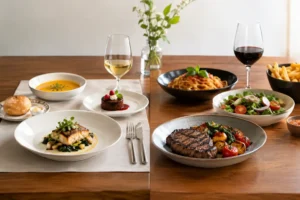
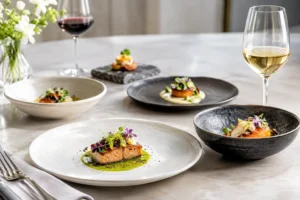

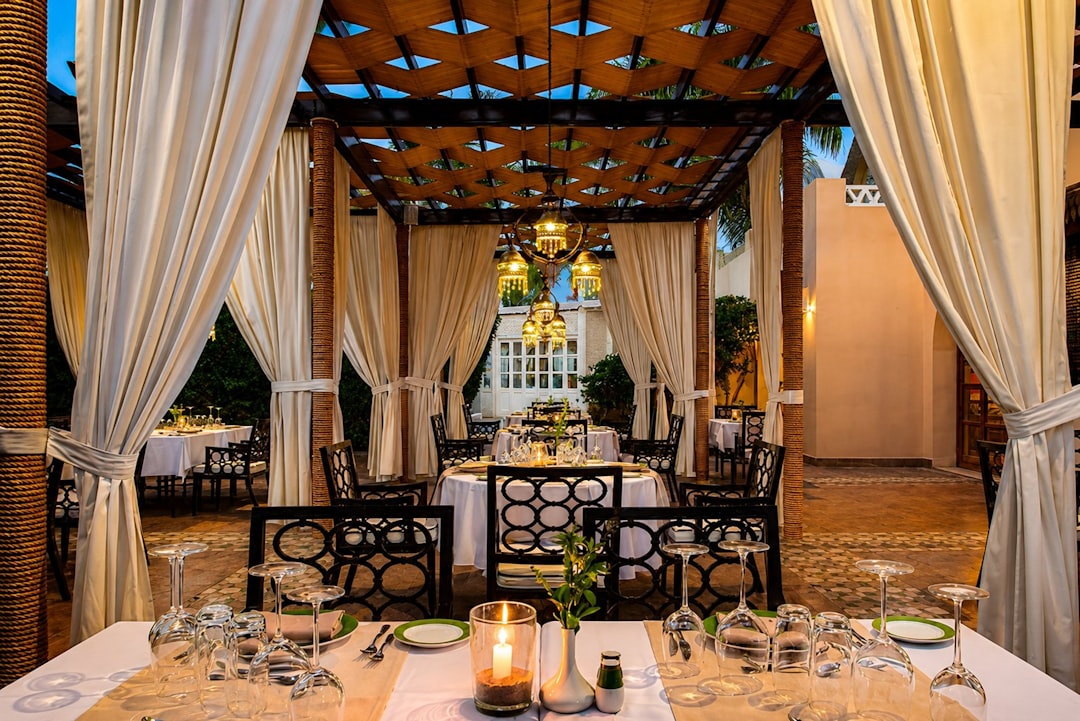
You have a reservation to make and an evening to plan. The difference between fine dining and casual dining is not just about price or tablecloths: it is about how the entire room operates, from the pace of the courses to the way the lighting falls on your plate. Choosing the right format for the occasion is what separates a memorable night from a mismatched one.
What Separates the Two Rooms
Fine dining and casual dining are not simply two points on a price scale. They are two entirely different operating philosophies, each engineered around a different set of assumptions about how you want to spend your evening. The U.S. restaurant industry formally recognizes at least five service tiers, from quick service up through fine dining, and each tier carries distinct staffing models, room layouts, and revenue targets. The difference between fine dining and casual dining is structural, not cosmetic.
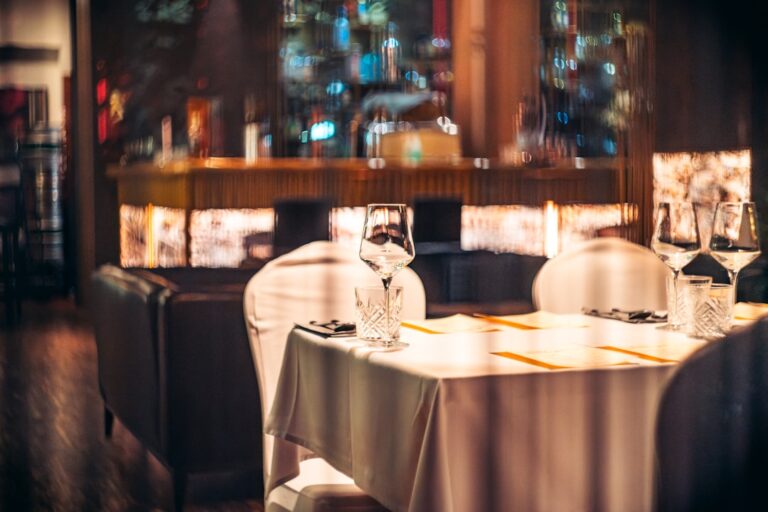
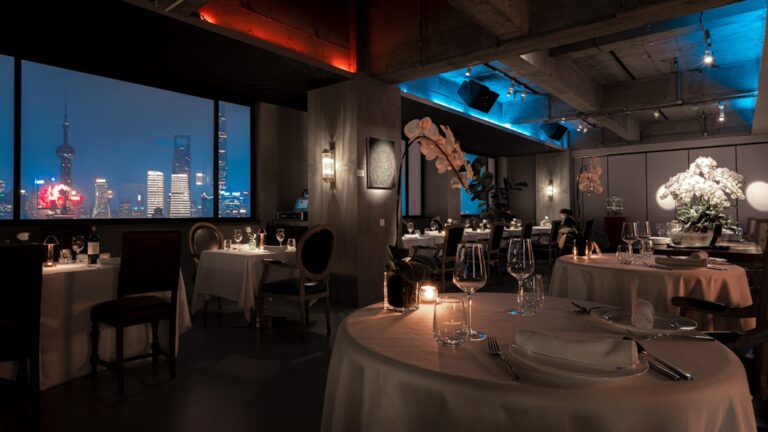
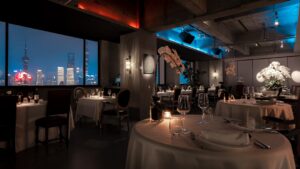
Walk into a fine dining restaurant and the first thing you notice is space. Tables are spaced 36 to 48 inches apart, sometimes more, so conversations stay private and servers can move without brushing your chair. The lighting sits in the 2700K to 3000K range, a warm amber that flatters both food and faces, dimmed low enough that you lean in slightly to your dining companion. Acoustic treatment is deliberate: ambient noise targets 60 to 70 decibels, quiet enough that you hear the clink of a wine glass across the table but never the next table’s argument. The room is designed to make you linger for two hours or more, and every design decision supports that goal.
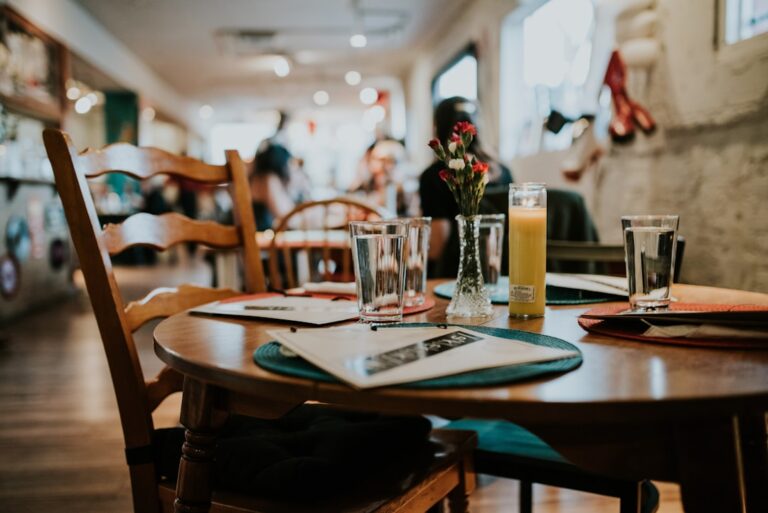
Casual dining operates on the opposite logic. Tables sit 30 to 36 inches apart, close enough that you might catch a snippet of the neighboring conversation. Lighting is warmer and brighter, often in the 3000K to 3500K range, signaling energy rather than intimacy. The ambient noise level runs higher, and that is intentional: a bustling room feels welcoming and alive. You are meant to feel comfortable arriving in jeans, ordering a burger and a beer, and finishing in under 90 minutes. The room is built for accessibility and turnover, not for ceremony.
None of this means one format is superior. A room that makes you linger for three hours is the wrong choice for a Tuesday catch-up with a friend who needs to get home to kids. A room designed for quick turnover is the wrong choice for a milestone anniversary. The best room is the one that matches the evening you are trying to create.
Service Style and Pace
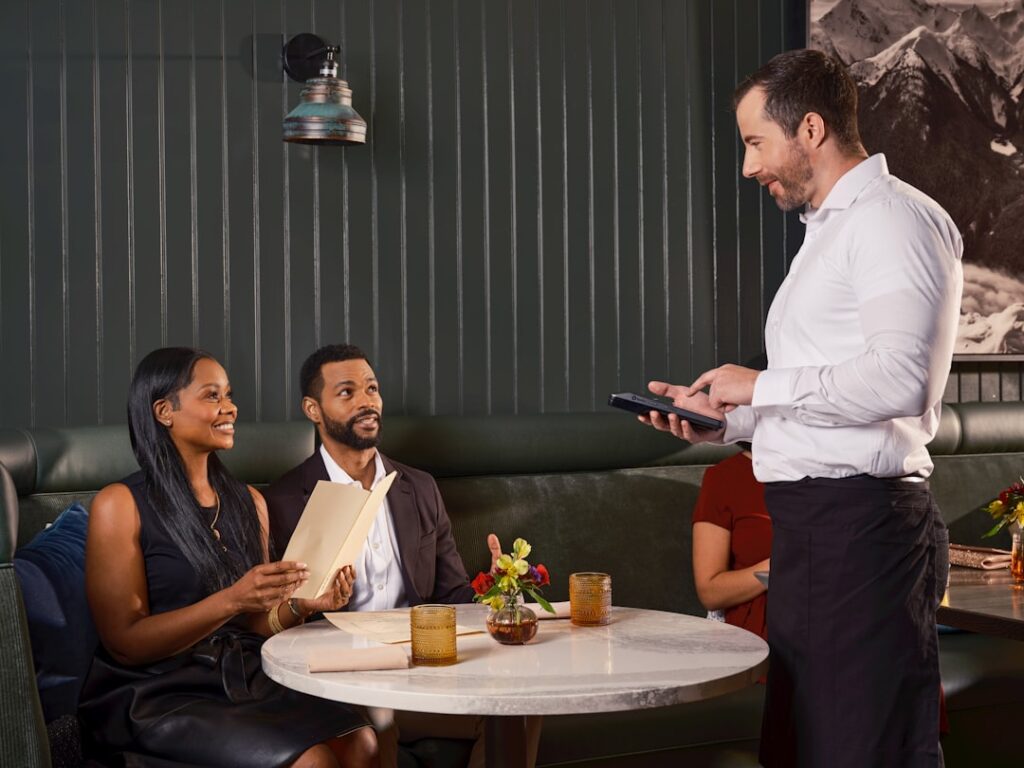
Service is where the fine dining and casual dining divide becomes most visible, and it is the factor that most often determines whether you feel pampered or impatient. The staffing models are fundamentally different, and they shape everything about how your meal unfolds.
Fine Dining: Layered, Choreographed, Slow
A fine dining restaurant staffs at a ratio that can reach one server per three guests. The front-of-house hierarchy is layered: a maitre d’ or dining room manager oversees the floor, captains run sections of three to five tables, back servers handle water, bread, and clearing, and a dedicated sommelier guides the wine program. Many of these sommeliers hold credentials from the Court of Master Sommeliers or the Wine and Spirit Education Trust. When your captain presents the menu, they can tell you that the lamb came from a farm in the Hudson Valley, that it was dry-aged for 28 days, and that the accompanying sauce is a reduction of the lamb bones with black garlic and thyme.
The pacing is deliberate. Courses arrive with gaps long enough for conversation to breathe. A server may watch from across the room and time the clearing of your plates to the moment you set down your fork, not sooner. Wine is poured tableside, often with a brief explanation of the producer and vintage. The entire sequence is choreographed to fill two and a half to three hours, and rushing it would defeat the purpose.
Casual Dining: Friendly, Efficient, Flexible
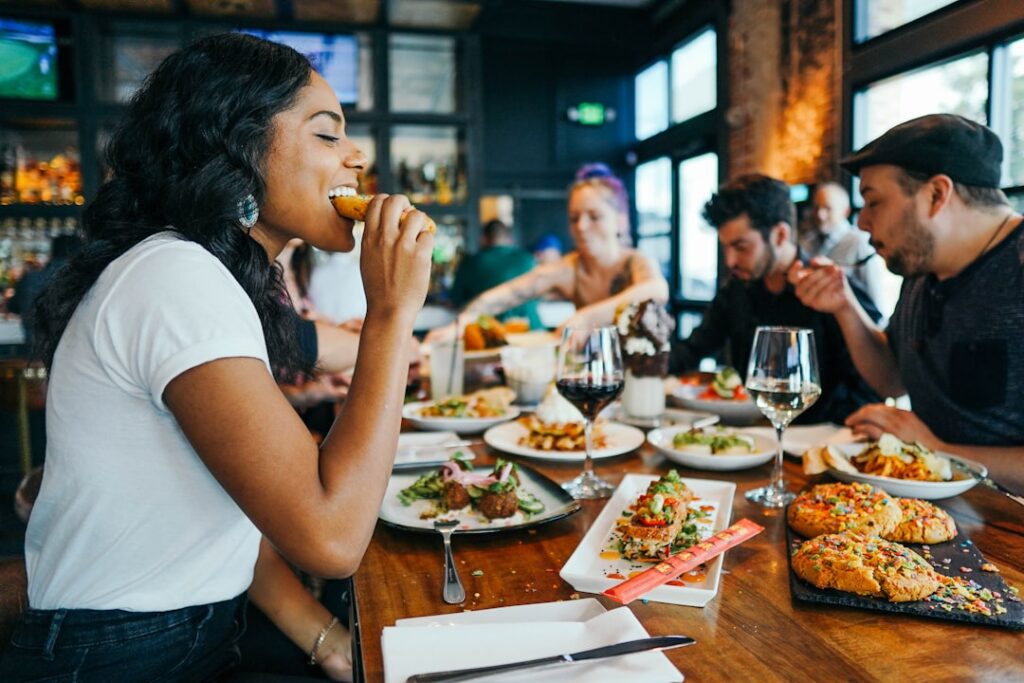
Casual dining compresses the hierarchy into two tiers: servers and hosts, with a floor manager overseeing both. A single server typically covers four to six tables at once, which means they are friendly and attentive but cannot hover. They will recommend their favorite dish, bring extra napkins, box up leftovers, and split the check without a second thought. What they will not do is present each course with a narrative about its ingredients or pour your wine throughout the meal.
The pace moves faster. Appetizers may arrive within ten minutes of ordering. Entrees follow without a long gap. The kitchen turns tickets quickly because the restaurant depends on volume, not on check size per table. If you want to linger, no one will rush you, but the room’s energy naturally encourages a 60 to 90 minute meal. This is a feature, not a flaw: for a weeknight dinner or a casual lunch, efficiency is exactly what you want.
Menu Structure and Course Logic
The menu is where the philosophy of each restaurant becomes tangible. Fine dining menus are concise by design, sometimes offering only a handful of dishes, because the kitchen is investing hours of technique into each plate. Casual dining menus are broad and deep, offering something for everyone, because the goal is to satisfy a wide range of tastes and dietary preferences at a price that feels fair.
Fine Dining: Few Choices, Deep Execution
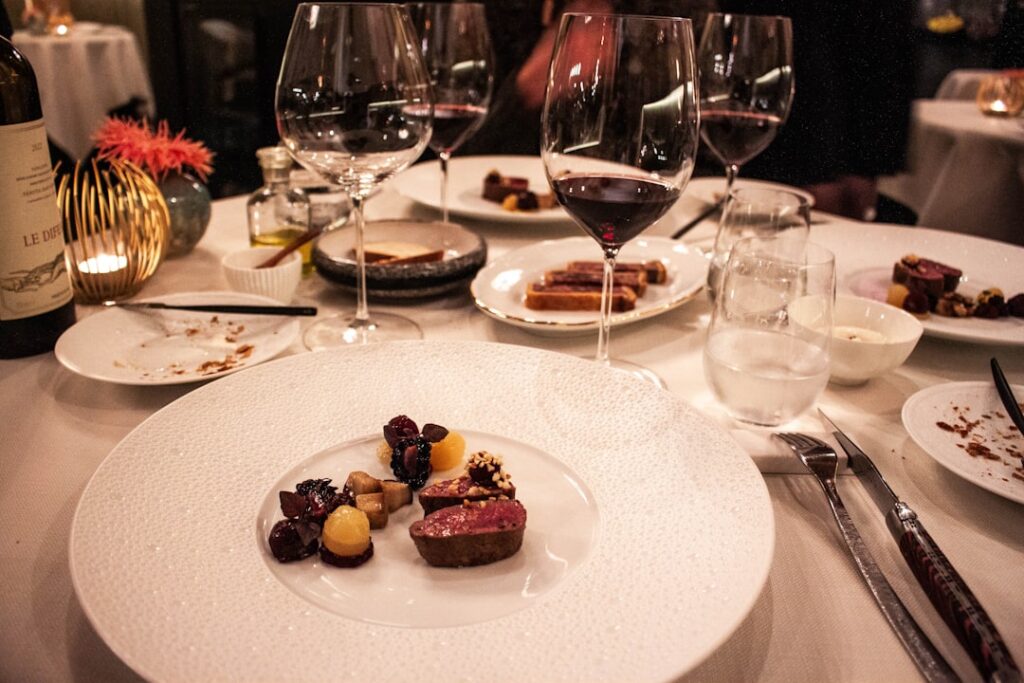
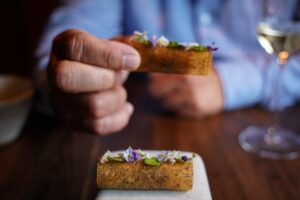
A fine dining menu may offer a prix fixe format, a tasting menu, or a small selection of a la carte dishes. The tasting menu is the most defining format: a sequence of five to twelve courses, each small and precisely composed, designed to build a narrative across the meal. You might start with a single oyster topped with cucumber granita and herb oil, move to a delicate custard of sweet corn and sea urchin, then a hand-cut pasta with brown butter and sage, followed by a main protein like dry-aged duck breast with a cherry reduction. Each plate is a statement, and the sequence is the argument.
Ingredients are often seasonal, locally sourced, and sometimes rare. The chef’s personal philosophy drives the menu, and it changes frequently. What you eat in July will not be available in November. This is the appeal and the limitation: you are placing yourself in the chef’s hands, and if you prefer to order exactly what you want, the format can feel constraining. For a deep dive into how tasting menus work and what to expect from the format, our guide to tasting menu dining walks through the experience course by course.
Casual Dining: Broad Selection, Familiar Comfort
A casual dining menu might run three pages, with sections for appetizers, salads, sandwiches, burgers, pastas, mains, and desserts. The dishes are recognizable: a French onion soup with a broiled cap of gruyere, a Caesar salad with crisp romaine and anchovy dressing, a half-pound burger with aged cheddar and house pickles. Portions are generous, because value is part of the proposition. You are meant to leave full.
The kitchen executes these dishes consistently, night after night, but the technique is generally less complex than what you would find in a fine dining kitchen. Sauces are made in batches. Proteins are cooked to order but not necessarily dry-aged or sous-vide. This is not a criticism: a well-executed burger with a properly toasted bun and a balanced pickle is one of the most satisfying things you can eat, and a casual dining kitchen that nails its fundamentals will outperform a fine dining kitchen that overreaches.
Side by Side: The Quick Comparison
For a fast scan of the key differences, here is how the two formats compare across the factors that matter most when you are choosing a restaurant for your evening.
| Factor | Fine Dining | Casual Dining |
|---|---|---|
| Typical check per person | $120 to $250+ (food only; tasting menus can exceed $400) | $15 to $35 (food only) |
| Server-to-guest ratio | 1 server per 3 to 5 guests, plus sommelier and support staff | 1 server per 4 to 6 tables, two-tier staffing |
| Menu format | Prix fixe, tasting menu, or small a la carte selection; seasonal and chef-driven | Extensive a la carte menu with broad appeal; changes less frequently |
| Course pacing | Deliberate, 2.5 to 3 hours; gaps between courses for conversation | Efficient, 60 to 90 minutes; courses arrive quickly |
| Room design | Tables 36 to 48 inches apart; 2700K to 3000K lighting; 60 to 70 dB ambient noise | Tables 30 to 36 inches apart; 3000K to 3500K lighting; moderate to high ambient noise |
| Best occasion | Anniversaries, milestones, business deals, culinary exploration | Weeknight dinners, family gatherings, catching up with friends, casual celebrations |
| Attire | Business casual to formal; some restaurants enforce dress codes | Jeans and t-shirts welcome; no dress code |
| Reservations | Required; platforms like Resy or OpenTable manage booking | Optional or walk-in friendly; waitlist management for peak times |
Pricing, Expectations, and Occasion
Fine dining checks typically range from $120 to $250 per person for food alone, and that figure climbs quickly with wine pairings, service charges, and tip. Tasting menus at top restaurants can exceed $400 per person before beverages. According to industry data, the average fine dining check has risen measurably in recent years, with guests spending more per visit even as they dine out less frequently. This is the “smart splurge” model: fewer visits, higher spend, bigger occasion.
Casual dining checks run $15 to $35 per person for food, though dinner at an upscale casual restaurant can reach $33 to $60. The value proposition is volume: the restaurant depends on repeat visits and table turnover, and the pricing reflects that. You are paying for a satisfying meal in a comfortable room, not for a once-a-year event.
When you are planning an evening, the question is not which format is more expensive. It is which format matches the occasion. A 30th birthday dinner for eight friends who want to talk loudly, share plates, and order a second round of drinks will feel stifled in a hushed fine dining room. A first anniversary where you want to linger over a bottle of Barolo and a five-course tasting menu will feel rushed and unremarkable in a casual dining room where the server is juggling five other tables.
For a detailed breakdown of what to expect when the check arrives at a fine dining restaurant, including how service charges and gratuity work differently at that level, our guide to tipping at fine dining restaurants covers the specifics. And if you want to understand how a fine dining menu is constructed before you sit down, our fine dining menu guide explains the structure course by course.
When Fine Dining Isn’t the Right Choice
There is a persistent assumption that fine dining is inherently better than casual dining, that a higher price and more formal service automatically mean a superior experience. This is the most expensive misconception a diner can hold, because it leads you to book the wrong room for the wrong evening.
Fine dining is engineered for a specific kind of experience: unhurried, intimate, and chef-driven. When the occasion calls for that, nothing else compares. But fine dining fails when the occasion demands flexibility. A group of six coworkers celebrating the end of a project does not want to sit through a three-hour tasting menu. A family with two young children does not want to whisper through a five-course dinner. A friend visiting town for one night who wants to talk for three hours over shared plates and a pitcher of margaritas will feel constrained by a captain hovering at the edge of the table.
Casual dining succeeds precisely because it removes constraints. You can order what you want, modify it without apology, stay as long as the conversation holds, and leave without feeling that you have performed the meal correctly. A well-run casual restaurant with a skilled kitchen can deliver a bowl of mussels in white wine and garlic, a perfectly cooked steak frites, and a warm chocolate chip cookie that rivals anything you would find on a fine dining dessert course. The difference is not in the quality of the food. It is in the architecture of the experience around it.
Some of the most memorable meals happen in rooms that are not trying to be fine dining. A neighborhood trattoria with a wood-fired oven, a counter seat at a ramen shop where you watch the chef pull noodles by hand, a pub with a burger that has been on the menu for 20 years because no one wants to change it: these are not lesser experiences. They are different experiences, and the best diners know how to match the room to the night.
Matching the Room to the Occasion
The decision framework is simpler than it seems. Ask yourself three questions before you book.
First, what is the mood? If the answer is “celebratory, intimate, and unhurried,” fine dining is the right match. If the answer is “energetic, social, and flexible,” casual dining will serve you better.
Second, who is coming? A party of two celebrating an anniversary will thrive in a fine dining room. A party of six or eight will feel more natural in a casual setting where the table can be loud and the menu can accommodate everyone.
Third, how long do you want to stay? If you want two and a half hours of slow, deliberate courses and conversation, fine dining is built for exactly that. If you want 75 minutes of good food and easy conversation before moving on to the next part of the evening, casual dining is designed for that rhythm.
Neither format is a downgrade from the other. They are tools for different jobs. The best dining decision you can make is choosing the one that fits your evening rather than the one that sounds more impressive on paper.
Explore More Dining Guides
At The Dining Post, we are here to help you navigate every kind of evening out, from the tasting menu that takes three hours to the corner bistro that knows your name. Explore our growing collection of dining guides for more on menu formats, service expectations, and how to choose the right restaurant for any occasion. Have a question about a specific type of dining experience? We would love to hear from you.
Frequently Asked Questions
Is fine dining always better than casual dining?
No. Fine dining is engineered for intimate, unhurried, chef-driven experiences, while casual dining is built for flexibility, energy, and broad appeal. The better choice depends entirely on the occasion, group size, and mood you want for the evening.
How much more does fine dining cost compared to casual dining?
Fine dining checks typically range from $120 to $250 per person for food alone, and tasting menus can exceed $400 before beverages. Casual dining checks usually run $15 to $35 per person, with upscale casual reaching $33 to $60 at dinner.
Can I get a great meal at a casual dining restaurant?
Absolutely. A well-run casual restaurant with a skilled kitchen can deliver excellent food. The difference is not quality but the architecture of the experience: pacing, service style, menu format, and room design.
Do I need a reservation for fine dining?
Yes, reservations are almost always required at fine dining restaurants. Many use platforms like Resy or OpenTable for booking. Casual dining restaurants often accept walk-ins, though waitlists may apply during peak hours.
What should I wear to a fine dining restaurant versus a casual one?
Fine dining typically calls for business casual to formal attire, and some restaurants enforce dress codes. Casual dining welcomes jeans and t-shirts with no dress code requirements.


One thought on “Fine Dining vs Casual Dining: Which Fits Your Night?”