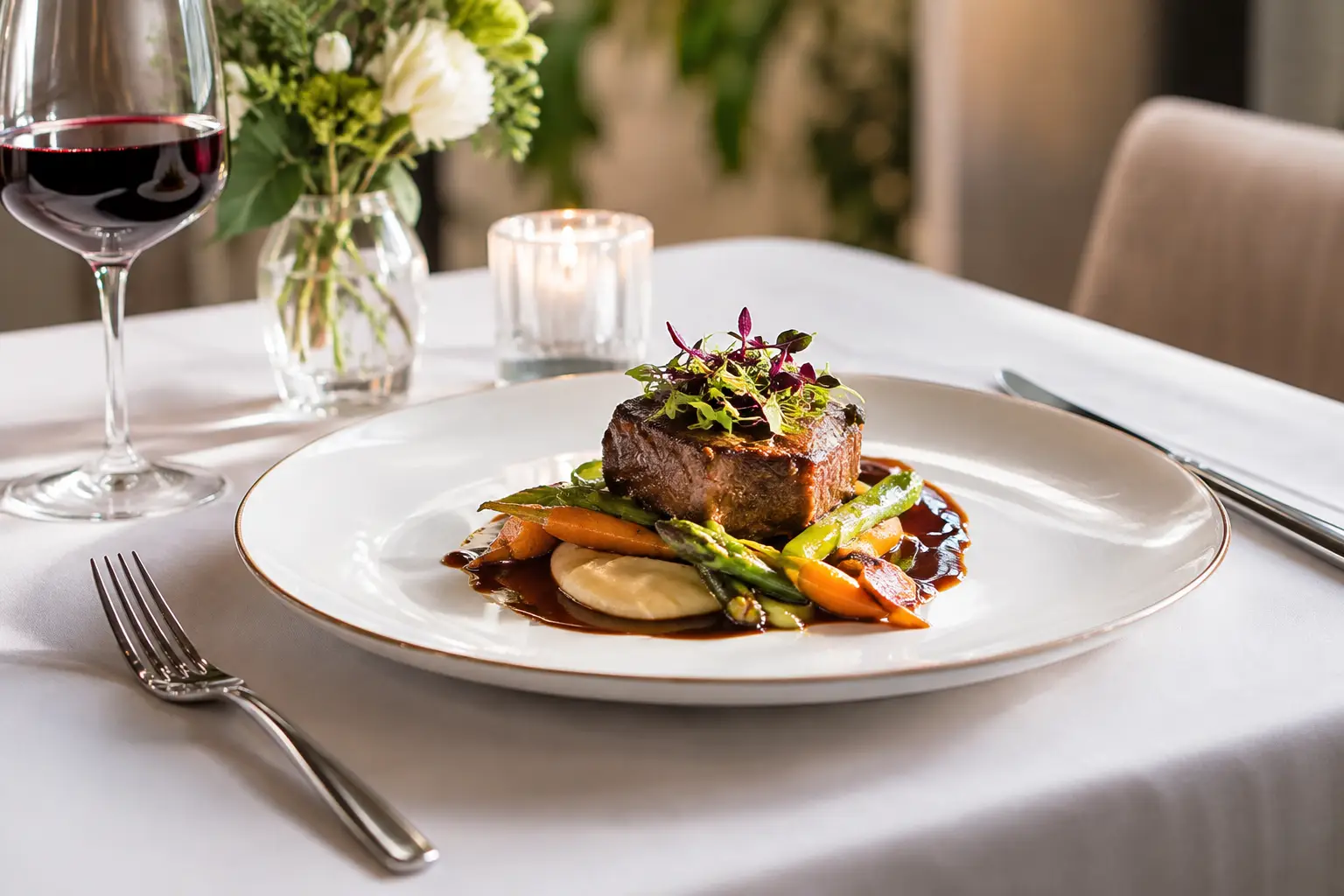
A server places a tiny cup of warm consommé in front of you before the menu has fully settled on the table. It is not there to fill you up. It is there to establish a point of view: someone in the kitchen has considered temperature, aroma, timing, and the first impression of the night. That attention to sequence is the real language of fine dining – not merely silverware, hushed voices, or a high check total.
For diners, the appeal is not simply eating something expensive. It is the rare pleasure of entering a room where cooking, wine, service, design, and pacing are meant to tell one coherent story. The best restaurants make that story feel effortless. Understanding a few of its cues lets you enjoy the occasion without treating dinner like a test.
Fine Dining Is a Standard, Not a Costume
White tablecloths remain part of the picture at many celebrated restaurants, but they are not the definition. A chef’s counter with an open kitchen, concrete floors, and a playlist you can actually hear may offer a more serious meal than a chandeliered dining room trading on old-fashioned luxury.
Fine dining is better understood as a standard of intention. Ingredients are chosen with unusual care. Techniques have a purpose beyond spectacle. Plates are composed around contrast: richness checked by acidity, soft textures sharpened by crunch, smoke lifted by herbs or citrus. The service team knows not just what is being served but why it appears at that moment.
That last point matters. At a casual restaurant, a delayed entree is an inconvenience. In a tightly run tasting menu, timing is part of the dish. A delicate crudo can lose its chill; a soufflé can collapse; a wine can seem awkward beside the wrong course. Fine dining asks the dining room and kitchen to work as one system.
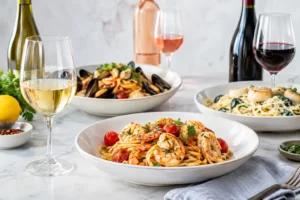
It also does not require a particular cuisine. A twelve-course Japanese-inspired menu, an exacting plate of regional Italian pasta, and a polished steakhouse can all qualify. What they share is discipline. The restaurant has a clear point of view and the resources to carry it through, from the bread program to the final petit four.
How a Fine Dining Meal Is Built
A tasting menu can look like a procession of small portions, but its structure is closer to a well-edited film. The opening bites are designed to wake up the palate. Early courses tend toward brightness and delicacy, then move into deeper sauces, roasted flavors, and more substantial proteins. Dessert brings sweetness, of course, but often also salt, bitterness, fruit, or dairy to keep the ending from feeling heavy.
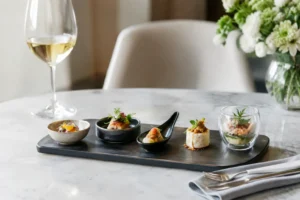
An amuse-bouche is the kitchen’s greeting, often delivered before you order or before the first formal course. It may be a single spoon of beet gel with goat cheese, a crisp shell filled with seafood, or a cup of broth. It is small because its job is not to satisfy hunger. Its job is to set the restaurant’s tone.
Bread is another revealing detail. At its best, it is not filler while you wait. The crust, butter, and accompaniments reflect the same standards as the plated food. A room that takes its naturally leavened loaf seriously is signaling something about its priorities. That does not mean every great restaurant must serve bread, but it does mean the details are rarely accidental.
Tasting Menu or À La Carte?
The choice depends on what you want from the evening. A tasting menu is usually the clearest expression of a chef’s current ideas. It makes sense for a first visit to an ambitious restaurant, a special occasion, or a destination meal you have planned around. It also gives the kitchen control over pacing and pairings.
À la carte can be the smarter choice when you want more agency, are dining with varied appetites, or simply prefer a relaxed evening. Ordering three courses instead of ten does not make you a less serious diner. In fact, choosing a restaurant’s signature dish, a strong starter, and one well-selected bottle can be every bit as satisfying as a long menu.
Before booking, consider your tolerance for duration. A tasting menu may run two and a half to four hours, particularly when wine pairings are involved. That can feel transporting on an anniversary and punishing on a Tuesday after a long flight. The right format is the one that suits the night you actually want to have.
Wine Is Part of the Conversation
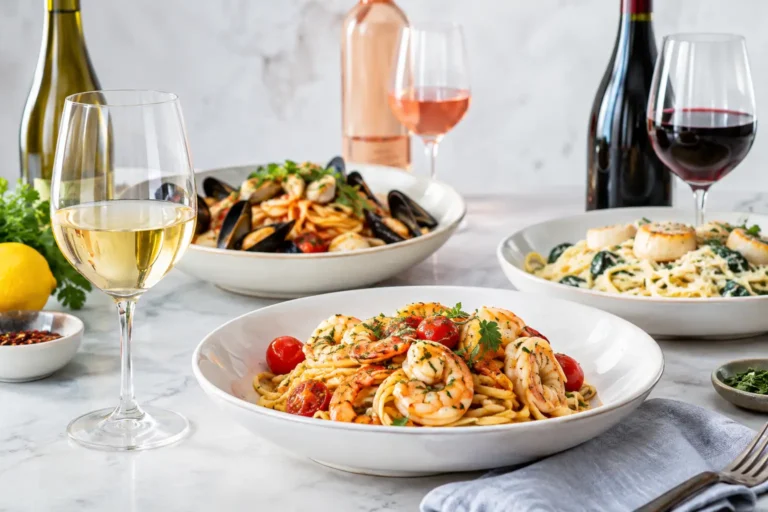
A fine dining wine list is often designed to offer more than famous labels. Look for regions, producers, and formats that create choices at several price points. A thoughtful sommelier may suggest a mineral-driven white with a buttery scallop dish, then pivot to a lighter red for duck rather than defaulting to a blockbuster Cabernet.
You do not need to know the vocabulary to ask a useful question. Tell the sommelier what you generally drink, what you are eating, and what you would like to spend. “We like bright, dry whites” or “I want a red that will not overwhelm the fish course” is clear, practical guidance. If a bottle feels too expensive, say so early. Good service responds without making the moment awkward.
Pairings are worthwhile when the menu moves across multiple flavor profiles and you enjoy tasting as much as drinking. They are less compelling if you have a favorite bottle in mind, prefer a full glass of wine over several small pours, or want to keep the bill in check. A half-bottle, a glass of Champagne followed by wine with the main course, or a well-made nonalcoholic pairing can be equally considered choices.
What the Price Covers – and What It Cannot Promise
The cost of fine dining can be startling, especially after taxes, wine, and gratuity. Much of that price reflects labor most guests never see: cooks breaking down fish, pastry teams shaping components, servers studying every dish, dishwashers resetting a mountain of glassware, and managers coordinating reservations and dietary needs.
There are expensive raw materials, too. Truffles, dry-aged beef, caviar, pristine seafood, and rare wines carry obvious costs. But a high price does not automatically mean a meaningful experience. A restaurant can spend lavishly on marble, imported ingredients, and elaborate plating while still serving food that feels inert or service that feels rehearsed.
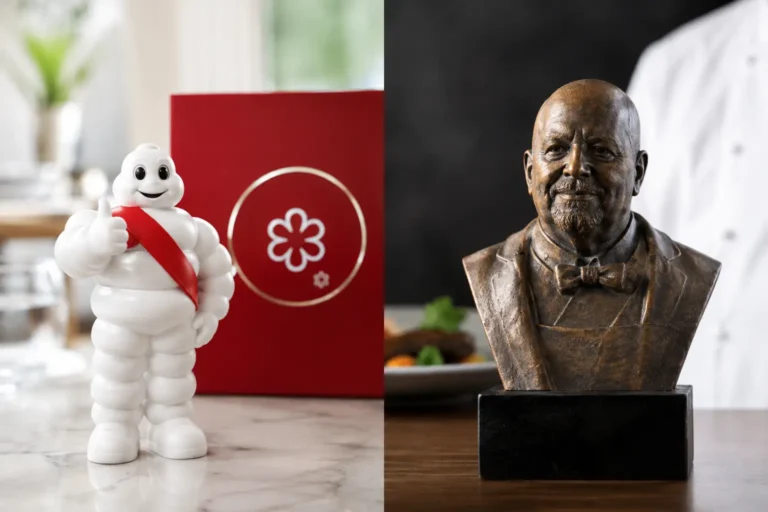
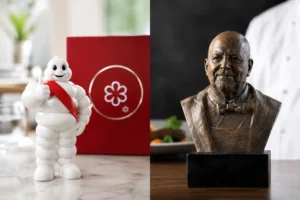
Likewise, Michelin recognition is useful information, not a universal verdict on pleasure. A Michelin star indicates that anonymous inspectors found cooking of a high standard, judged by factors including ingredient quality, technique, harmony of flavors, the chef’s personality in the cuisine, and consistency. It does not guarantee that the room will suit your mood, that you will love the style of food, or that the experience represents good value for you.
The most memorable meal may be a formal tasting menu with a coveted reservation. It may also be a chef-led neighborhood restaurant where the menu is short, the music is warm, and every plate arrives with conviction. Fine dining should be demanding of itself, not demanding for the sake of it.
The Etiquette That Actually Matters
The useful rules are simpler than the mythology. Arrive on time, or call as soon as you know you will be late. Read the cancellation policy before booking, particularly for prepaid tasting menus. Share allergies and serious dietary restrictions well in advance, rather than presenting them as a surprise after the first course arrives.
Dress codes vary more than they once did. When in doubt, choose polished over theatrical: a jacket, dress, sharp trousers, or an elevated version of your personal style will almost always feel right. The goal is to respect the room without wearing a costume that makes you self-conscious.
Phones deserve restraint, not prohibition. Take a quick photo if the restaurant permits it, but do not turn the table into a production set or hold up a course while everyone waits for the perfect angle. The food is made to be eaten at its best, and your companions deserve your attention too.
In the United States, gratuity may be added automatically, especially for tasting menus or larger parties. Check the bill before adding more. If service is not included, tip according to the total level of hospitality, including the work of the staff who guided you through a long meal. A gracious guest is not one who knows every fork. It is one who is present, clear, and respectful of the people making the evening happen.
Choosing Fine Dining for the Right Occasion
Start with the kind of memory you want. For a milestone dinner, look for a restaurant with a focused tasting menu, a thoughtful beverage program, and enough time between reservations to let the evening unfold. For a business meal, a quieter room and dependable à la carte options may matter more than culinary fireworks. For culinary travel, prioritize a restaurant whose cooking is rooted in its place rather than one that could be copied in any luxury hotel.
Read menus closely. A menu heavy on raw seafood, fermentation, and precise vegetable work will delight one diner and disappoint another who wants generous roasts and classic sauces. Notice whether the restaurant’s language feels specific. A dish described with a named farm, season, technique, or regional reference often tells you more than a string of luxury ingredients.
Then leave room for surprise. The point is not to arrive armed with enough knowledge to control every moment. It is to recognize the care on the plate, ask the question you genuinely have, and let a skilled restaurant show you what it does best. That is when a special meal stops feeling intimidating and starts feeling like the pleasure it was meant to be.