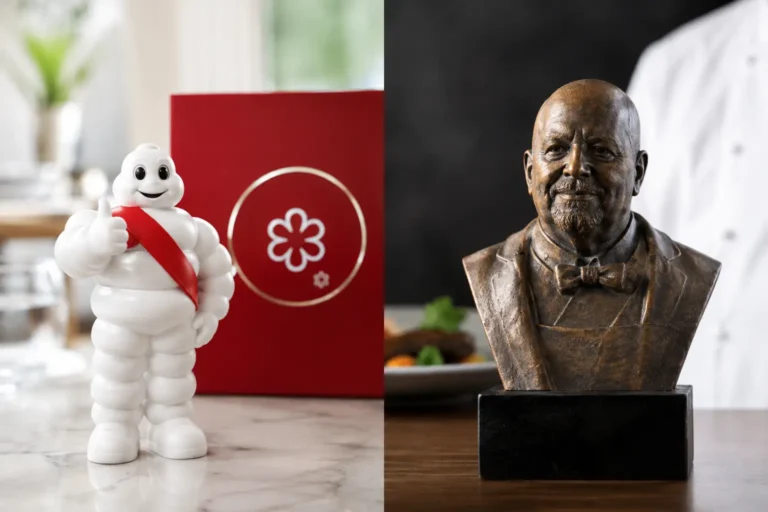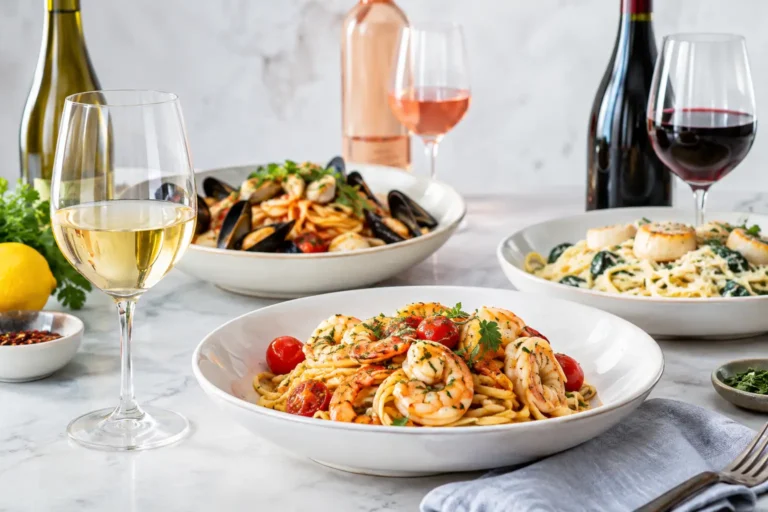


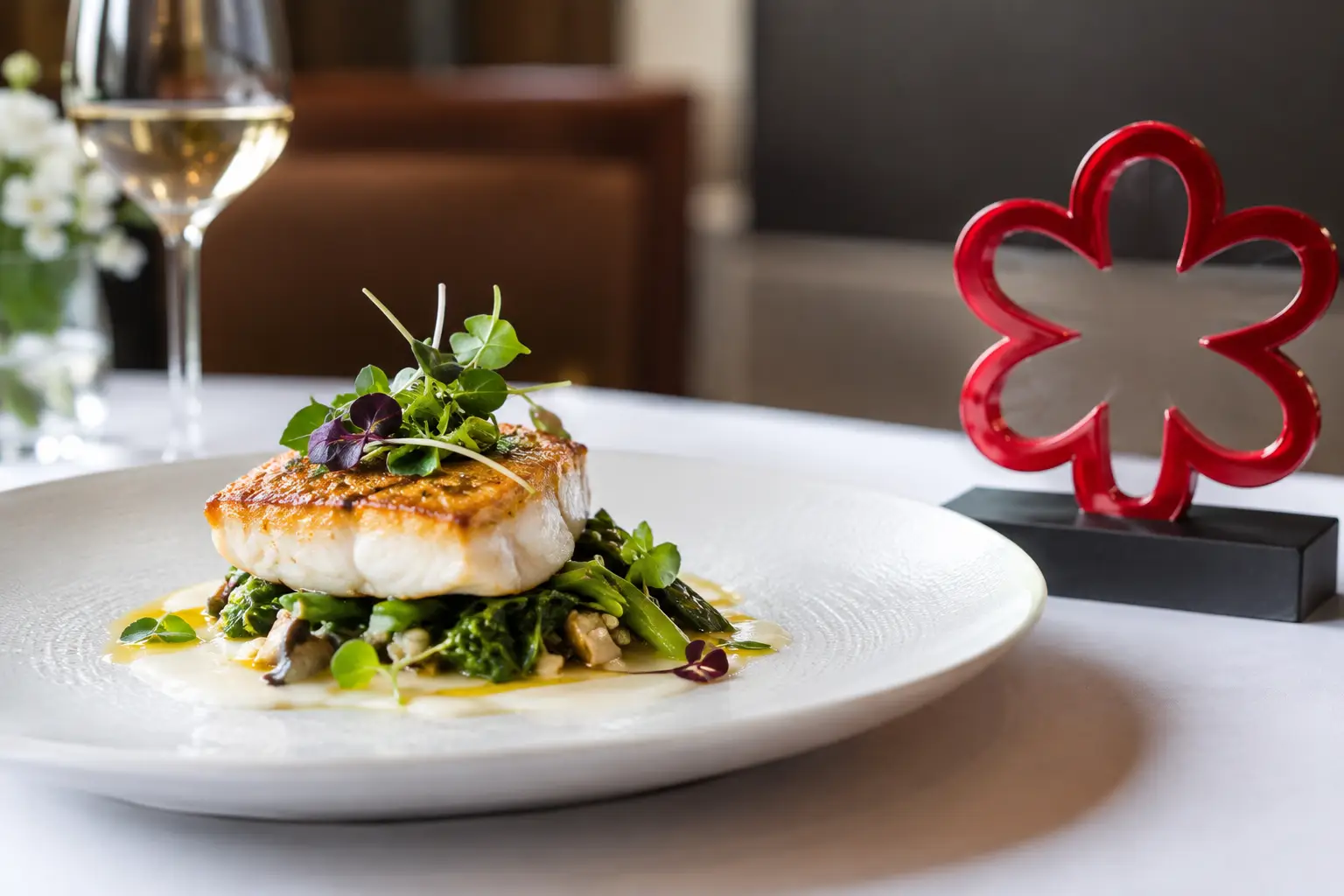
A tiny red symbol beside a restaurant’s name can change the temperature of a reservation book overnight. Tables disappear months ahead. A tasting menu becomes a destination. Diners arrive wondering whether they should whisper, dress up, or prepare for a meal so cerebral it forgets to be delicious.
So, what does a Michelin star mean? At its core, it means Michelin’s anonymous inspectors believe a restaurant is cooking at an exceptional level. It is a judgment about what is on the plate, not a promise of chandeliers, white tablecloths, or a certain price point. A starred restaurant may be a hushed temple of haute cuisine, a counter with a dozen stools, or a casual-looking room serving food of startling precision.
For diners, the more useful question is what that recognition tells you about the experience you are about to book. The answer is substantial, but it comes with a few important caveats.
What does a Michelin star mean, exactly?
Michelin began as a guidebook created by the French tire company in 1900, intended to encourage motorists to travel, wear out their tires, and need replacements. Restaurants were eventually added to give travelers somewhere worth stopping for. The guide’s culinary authority grew from there, and its stars became one of the most influential forms of recognition in modern dining.
A Michelin star is awarded to a restaurant, rather than formally to an individual chef. That distinction matters. A chef may be closely identified with a celebrated restaurant, but the award reflects the food being served consistently in that particular kitchen. If a chef leaves, the restaurant can retain, gain, or lose its star when Michelin inspectors return.
Michelin awards one, two, or three stars:
- One star means “high-quality cooking, worth a stop.”
- Two stars means “excellent cooking, worth a detour.”
- Three stars means “exceptional cuisine, worth a special journey.”
Those phrases are famously concise, but they should not be read as merely a ladder from good to better. A one-star restaurant can deliver one of the most exciting meals of your year. Two and three stars generally indicate an even rarer degree of ambition, refinement, and consistency, often with more elaborate menus and greater demand. They do not automatically indicate that you will personally enjoy the meal more.
A diner who loves direct, ingredient-driven food may prefer a brilliant one-star restaurant to a three-star experience built around lengthy, highly conceptual tasting menus. The star tells you the cooking has met Michelin’s standard. It does not dictate your taste.
How Michelin inspectors judge a restaurant
Michelin inspectors dine anonymously and pay their own way. A restaurant is not supposed to know an inspector is in the room, and a decision is reached through repeated meals and discussion among inspectors rather than one person’s verdict.
The guide evaluates five central criteria:
- Quality of the ingredients
- Harmony of flavors
- Mastery of cooking techniques
- The chef’s personality expressed through the cuisine
- Consistency across visits and across the menu
That last point explains why stars carry such weight. A dazzling dish on one lucky Saturday is not the same as a restaurant delivering poised, exacting cooking week after week. Michelin looks for evidence that the kitchen can repeat its standard, whether it is serving a signature course at 8 p.m. or handling the final seating on a crowded Friday night.
The criteria also explain why the distinction can feel different from other restaurant accolades. Michelin is primarily judging cuisine. A restaurant’s dining room, music, view, tableware, warmth of service, and wine program absolutely shape your night, but they are not the core basis of the star itself.
That is why a spare, almost severe room can receive a star while a glamorous restaurant with flawless service may not. Ideally, great hospitality and great cooking meet in the same place. But when reading Michelin recognition, remember that the red symbol is first a verdict on the food.
What a Michelin star does not mean
A star does not mean a restaurant will be formal. It does not mean jackets are required, though a special-occasion reservation may call for more intention than sneakers and a logo tee. Always look at the restaurant’s stated dress guidance, then consider the room and occasion.
It also does not mean the restaurant is expensive. Fine dining often is, especially when a multi-course menu requires a large kitchen brigade, rare ingredients, and hours of prep. Yet Michelin has recognized modest neighborhood restaurants, noodle shops, tacos, and other comparatively accessible formats in markets covered by the guide. Price and excellence can overlap, but they are not the same thing.
Nor does a star guarantee a universally comfortable experience. Some starred rooms favor a tightly paced tasting menu with little flexibility. Others are relaxed and conversational. Some celebrate restraint: a pristine piece of fish, a perfect sauce, a vegetable treated with unusual seriousness. Others stage a progression of visual surprises, tableside rituals, and unexpected textures. Read the menu before booking, particularly if you have dietary restrictions or want a meal that leaves room for conversation.
Finally, a restaurant without a star is not automatically less worthy of your time. Michelin covers only selected regions, and its inspectors cannot assess every excellent restaurant in the United States. Many beloved chefs and essential local dining rooms operate outside the guide’s reach or pursue a different kind of experience altogether.
Stars, Bib Gourmands, and Michelin recommendations
Michelin’s stars get the headlines, but they are only one part of the guide. Knowing the other labels makes the guide much more useful when you are choosing where to eat.
A Bib Gourmand recognizes restaurants offering notably good food at a good value. The price threshold varies by city, but the spirit is consistent: these are places where the quality-to-cost equation deserves attention. For a lively group dinner, a weekend lunch, or a trip where you would rather spend broadly than splurge on one night, the Bib list can be more practical than the star list.
A Michelin Selected restaurant is recommended by the guide but has not received a star or Bib Gourmand distinction. Do not treat that as a consolation prize. It can signal a restaurant with real strengths, especially one that is newer, more casual, or still finding its rhythm. Some of the most satisfying reservations in a Michelin city live in this category.
The Green Star is separate from the traditional star system and highlights restaurants with particularly notable commitments to sustainable practices. That may involve sourcing, seasonality, waste reduction, energy use, or a restaurant’s relationship with local producers. A Green Star is not shorthand for vegetarian food, nor does it automatically describe the style of cooking. It indicates that sustainability is a serious part of the operation.
What to expect when you book a starred restaurant
Approach a Michelin-starred meal as a restaurant-specific experience, not a test you need to pass. Check whether you are booking a tasting menu, ordering à la carte, or choosing between the two. A tasting menu can run from a compact sequence of courses to a three-hour culinary performance, and the difference affects your appetite, schedule, and budget.
Look at beverage options, too. A full wine pairing can be thrilling when the sommelier is using acidity, texture, and temperature to shift the frame around each course. It can also be more wine than you want on a Tuesday night. Many restaurants offer half pairings, nonalcoholic pairings, or the option to order a bottle. Asking for help is not a breach of etiquette. A simple line such as, “We’d like something expressive but not too heavy,” gives a good sommelier useful direction.
Budget beyond the menu price. Taxes, service charges or gratuity, drinks, supplements such as caviar or truffles, and celebratory pours can move the final total quickly. There is no shame in deciding that the menu itself is enough. The best luxury dining experience is one that feels generous, not financially punishing before the first petit four arrives.
Arrive on time, state allergies clearly when reserving, and let the staff guide the pacing. Beyond that, relax. You do not need to identify every technique or recognize every rare ingredient to appreciate the meal. Curiosity is the most useful form of fluency.
Is a Michelin star worth planning a trip around?
Sometimes, absolutely. A destination restaurant can give a city a focal point: the reservation around which you build an anniversary weekend, a milestone birthday, or an itinerary that includes a great wine bar and a long walk home afterward. At its best, a starred meal condenses a chef’s point of view, a region’s products, and a service team’s craft into a few concentrated hours.
But Michelin recognition should be a strong signal, not an order. Book the restaurant whose cooking, format, and price feel right for the night you want to have. The real pleasure is not in checking off a star. It is in sitting down hungry, paying attention, and finding a plate that gives you something worth talking about long after the table is cleared.